As a guitarist and musician, I’m always looking for ways to add color, emotion, and richness to my playing. One of my favorite techniques is using add 9 chords. These chords have a beautiful, lush sound that can instantly elevate your guitar parts and compositions.
In this lesson, I want to share with you the magic of add 9 chords and show you how to start using them in your own playing. We’ll cover the theory behind these chords, different shapes you can use, and practical examples of how to apply them in a musical context.
What are Add 9 Chords?
First, let’s define what an add 9 chord is. These chords are essentially extensions of basic triads or 7th chords. They’re formed by adding the 9th note of the scale to the chord.
For example, in a C major scale (C D E F G A B), the 9th note is D. So a Cadd9 chord would include the notes C E G and D. This additional note adds a lush, open sound compared to a basic C major triad.
Add 9 chords can be applied to major, minor, and dominant chords. Each has its own unique flavor:
- Major add 9 chords (like Cmaj9) have a bright, hopeful sound
- Minor add 9 chords (like Cm9) have a rich, introspective character
- Dominant add 9 chords (like C9) have a bluesy, jazzy color
Easy Add 9 Chord Shapes on Guitar
Now that you understand what add 9 chords are, let’s look at some easy shapes you can use to play them on guitar.
The Maj9 Shape
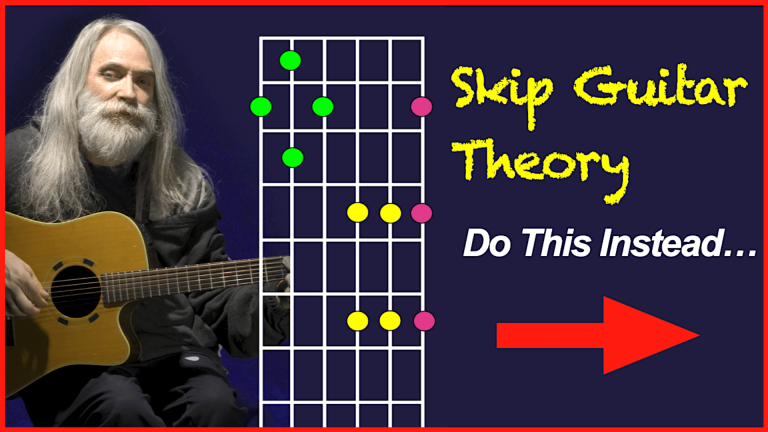
One of my go-to shapes for maj9 chords uses a “shell voicing” with the 9th on top:
- Index on 3rd
- Middle on 7th
- Pinky on 9th
You can move this shape up and down the neck to play different maj9 chords. For example:
- Cmaj9: 8-7-8
- Fmaj9: 3-5-5
I also love to add a hammer-on from the 7th to the root for extra motion, like this:
7h8-7-8
The m9 Shape
For minor add 9 chords, here’s a shape I use all the time:
- Middle on root
- Ring on m3rd
- Pinky on 9th
Again, you can move this shape around, like:
- Dm9: 5-5-5
- Am9: 12-12-12
Using Add 9 Chords in Progressions
Add 9 chords sound great in many contexts, but I especially love using them in neo-soul and R&B type progressions.
Here’s an example in the key of C:
| Dm9 | G9 | Cmaj9 |
Notice how the add 9 chords connect smoothly as we move through the ii-V-I progression. The 9ths on top of each chord lead nicely into the next.
You can also use add 9 chords in turnarounds and cadences. Check out this classic move:
| Cmaj9 | Bbmaj9 | Am9 | Abm9 | Dm9 G9 |
The descending maj9 chords create a strong pull back to the ii-V and the top of the progression.
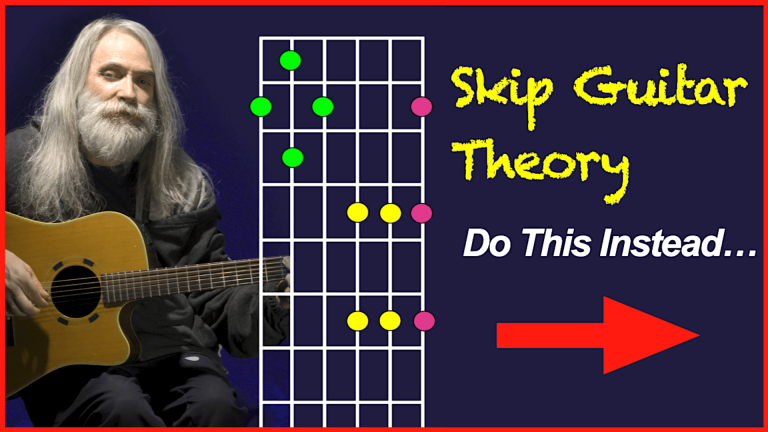
FAQs about Add 9 Chords
What’s the difference between an add9 and a 9th chord?
- An add9 chord includes the 9th in addition to the triad or 7th. A 9th chord usually replaces the 7th with the 9th. So Cadd9 is C-E-G-D, while C9 is C-E-Bb-D.
How else can I play add 9 chords on guitar?
- Experiment with different inversions and string sets! For example, x-3-2-4-3-x is a nice Dadd9 voicing. Or try 8-x-8-9-8-8 for a lush Emadd9.
When should I use add 9 chords in a song?
- Add 9 chords work great to add color to progressions, create smooth connections between chords, or highlight certain moments. Trust your ear and go for it when it sounds good to you!
I hope this exploration of add 9 chords has opened up some new creative possibilities for you! The beautiful sound and pleasing color of these chords makes them a powerful addition to any guitarist’s toolkit. Try using some of these shapes and examples in your playing and see how you can unlock the magic of add 9 chords. Happy practicing!
Visit my website: rotemsivan.com.
Join me on Patreon: patreon.com/Rotem/Sivan
See you guys soon! Peace Out