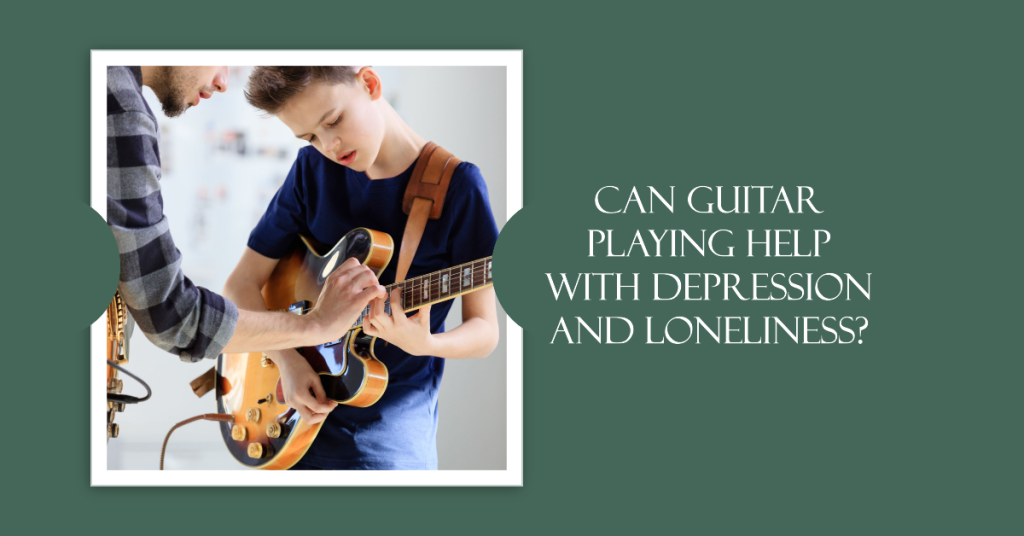
In a world where mental health challenges are increasingly prevalent, many are turning to unconventional methods to find solace and healing. One such method gaining recognition is guitar playing.
But does guitar playing really have the power to combat depression and loneliness? Let’s dive deep into this topic and explore the potential benefits of guitar playing for mental health.
Disclaimer: This article is for informational purposes only and should not be considered medical advice. While guitar playing can have positive effects on mental health, it is not a substitute for professional medical treatment. If you are experiencing symptoms of depression, loneliness, or any other mental health concerns, please consult with a qualified healthcare provider. The information provided here is not intended to diagnose, treat, cure, or prevent any mental health condition.

The Science Behind Music and Mental Health
Before we delve into the specifics of guitar playing, it’s crucial to understand the broader impact of music on our mental well-being.
Music’s Effect on the Brain
Research has shown that music can trigger the release of dopamine, a neurotransmitter associated with pleasure and reward. This natural “high” can help alleviate symptoms of depression and create a sense of well-being.
The Power of Rhythm and Harmony
The rhythmic and harmonic elements of music can help regulate emotions and reduce stress. Guitar playing, in particular, involves both these elements, making it a potentially powerful tool for emotional regulation.
How Guitar Playing Specifically Addresses Depression
Guitar playing offers unique benefits that can directly impact depressive symptoms.
1. Provides a Sense of Achievement
Learning to play a new song or mastering a difficult technique can boost self-esteem and provide a sense of accomplishment, which is often lacking in individuals struggling with depression.
2. Offers an Emotional Outlet
Playing the guitar allows for emotional expression through music, providing a healthy outlet for feelings that might otherwise be suppressed or difficult to articulate.
3. Promotes Mindfulness
The focus required to play the guitar can serve as a form of mindfulness practice, helping to anchor the player in the present moment and temporarily alleviate depressive thoughts.
Combating Loneliness Through Guitar Playing
Loneliness is a complex issue, but guitar playing can offer several avenues for connection and social engagement.
1. Joining Music Communities
Learning guitar often leads to joining music groups, attending workshops, or participating in online forums, all of which can help combat feelings of isolation.
2. Sharing Music with Others
Playing guitar for friends, family, or even strangers can create meaningful connections and shared experiences.
3. Self-Companionship
Even when playing alone, the guitar can serve as a form of companionship, filling the silence and providing a sense of presence.

Getting Started: Tips for Beginners
If you’re inspired to pick up the guitar as a means of improving your mental health, here are some tips to get started:
- Start with simple songs to build confidence
- Set realistic goals to maintain motivation
- Practice regularly, even if just for short periods
- Join online communities or local groups for support and inspiration
- Be patient with yourself and enjoy the learning process
The Therapeutic Aspects of Guitar Practice
Regular guitar practice can have therapeutic effects that extend beyond just playing music.
1. Structured Routine
Having a regular practice schedule can provide structure to your day, which is often beneficial for those dealing with depression.
2. Physical Benefits
The physical act of playing guitar can improve fine motor skills and serve as a form of light exercise, contributing to overall well-being.
3. Cognitive Stimulation
Learning and playing guitar engages multiple areas of the brain, potentially improving cognitive function and neuroplasticity.
Integrating Guitar Playing with Other Mental Health Strategies
While guitar playing can be a powerful tool for mental health, it’s important to view it as part of a holistic approach.
1. Complement to Therapy
Guitar playing can complement traditional therapy, providing topics for discussion and serving as a coping mechanism.
2. Mindfulness and Meditation
Combining guitar practice with mindfulness techniques or meditation can enhance its therapeutic benefits.
3. Exercise and Nutrition
Pairing guitar playing with regular exercise and a healthy diet can create a comprehensive approach to mental well-being.

FAQ
Q: How long does it take to see mental health benefits from playing guitar?
A: While individual experiences may vary, many people report feeling a positive impact on their mood even in the early stages of learning. Consistent practice over several weeks to months is typically when more significant benefits are observed.
Q: Can guitar playing replace professional mental health treatment?
A: While guitar playing can be a valuable tool for mental health, it should not be seen as a replacement for professional treatment. It’s best used as a complementary practice alongside therapy and/or medication if prescribed.
Q: What if I’m not musically inclined? Can I still benefit from playing guitar?
A: Absolutely! The benefits of guitar playing are not limited to those with natural musical talent. The process of learning and improving, regardless of skill level, can provide mental health benefits.
Q: Are certain types of guitar or music styles more beneficial for mental health?
A: The best type of guitar or music style is the one that resonates with you personally. Whether it’s acoustic or electric, classical or rock, the most important factor is that you enjoy the process and find it meaningful.
Q: How can I stay motivated to practice guitar when dealing with depression?
A: Set small, achievable goals, celebrate your progress, and try to establish a regular routine. Joining a guitar community or finding a practice buddy can also help maintain motivation.
In conclusion, while guitar playing is not a cure-all for depression and loneliness, it offers a unique combination of emotional, cognitive, and social benefits that can significantly contribute to improved mental health. Whether you’re a beginner or an experienced player, the guitar can be a powerful ally in your journey towards well-being. So why not pick up that guitar and start strumming your way to a healthier, happier you?