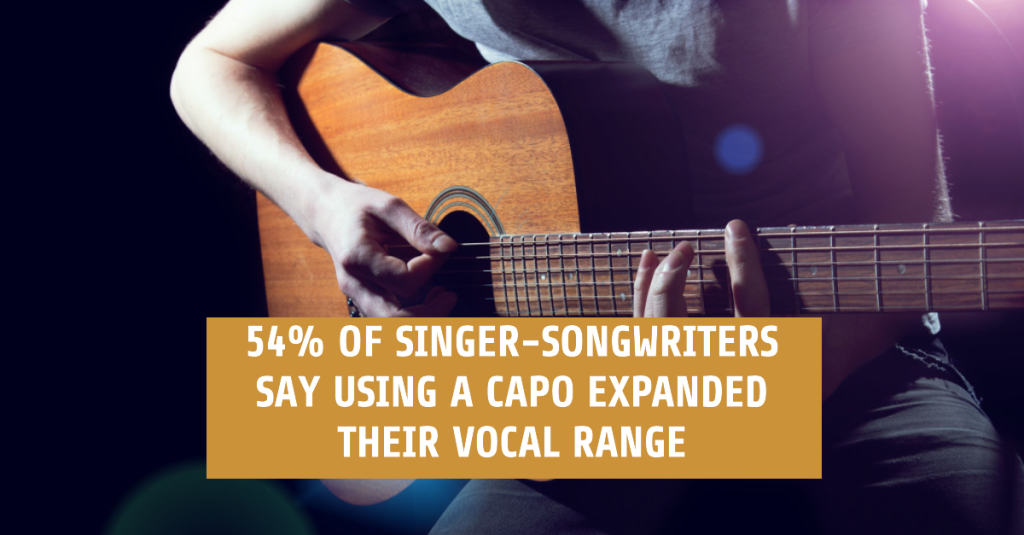
Capos are a game-changer for singer-songwriters, with 54% of them reporting that using a capo has expanded their vocal range and made guitar accompaniment more versatile. This simple yet powerful tool allows musicians to explore new keys, adapt to their vocal strengths, and create unique arrangements with ease. Whether you’re a seasoned performer or a beginner, understanding how to use a capo effectively can transform your playing and songwriting experience.
What Is a Capo and How Does It Work?
Understanding the Basics of a Capo
A capo (short for capotasto, meaning “head of the fretboard” in Italian) is a small device that clamps onto the neck of a guitar, effectively shortening the length of the strings and raising their pitch. By moving the capo up or down the fretboard, musicians can change the key of their playing without altering their chord shapes. This makes it an invaluable tool for adapting songs to different vocal ranges or creating new tonal textures.
Capos are typically made from materials like metal, rubber, or plastic and come in various designs, such as trigger-style, screw-adjustable, or elastic models. Each type offers unique benefits depending on the player’s preferences and needs.
How Does a Capo Affect Sound?
When you place a capo on the fretboard, it acts as a movable nut, raising the pitch of all six strings by a half step for each fret. For example:
- Placing the capo on the first fret raises an open E chord to F.
- Moving it to the third fret transforms an open G chord into Bb.
This allows guitarists to play familiar chord shapes while achieving entirely new keys, making it easier to accompany singers or experiment with different sounds.

Why 54% of Singer-Songwriters Rely on Capos
Expanding Vocal Range
One of the primary reasons singer-songwriters use capos is their ability to adapt songs to better suit their vocal range. Not all singers are comfortable singing in the original key of a song. A capo allows them to raise or lower the key without needing advanced knowledge of music theory or complex chord voicings.
For example, if a song’s original key is too low for a singer’s voice, placing a capo higher up on the fretboard can bring it into their comfortable range. This flexibility is particularly valuable during live performances when quick adjustments may be necessary.
Enhancing Versatility in Accompaniment
Capos also open up new possibilities for guitar accompaniment by enabling alternate voicings and tonal textures. By using different capo positions, musicians can create rich harmonic layers that complement their vocals or other instruments in an ensemble.
For instance:
- A capo placed on higher frets produces brighter tones that work well for folk or pop music.
- Lower placements retain deeper tones ideal for blues or ballads.
This versatility makes capos an essential tool for crafting dynamic arrangements that stand out.
The Benefits of Using a Capo for Songwriting
Simplifying Complex Chord Progressions
For many singer-songwriters, composing in certain keys can be challenging due to complex chord shapes. A capo simplifies this process by allowing players to use familiar open chords while achieving the desired key. This not only makes songwriting more accessible but also encourages creativity by removing technical barriers.
For example:
- Writing in Bb major without a capo requires barre chords that can be difficult for beginners.
- With a capo on the first fret, you can use open A major shapes instead, making it easier to focus on melody and lyrics.
Encouraging Experimentation
Capos inspire experimentation by enabling guitarists to explore alternate tunings and unconventional voicings without physically retuning their instrument. This encourages creative breakthroughs and helps develop unique sounds that set artists apart.
Singer-songwriters often use capos in combination with techniques like fingerpicking or percussive strumming to create intricate arrangements that elevate their compositions.
Popular Capo Techniques Among Singer-Songwriters
Partial Capos for Unique Voicings
Partial capos cover only certain strings on the fretboard, creating hybrid tunings that produce distinctive sounds. For example:
- Covering just the top five strings at the second fret creates an open Dsus4 tuning.
- Using partial capos allows players to achieve drone-like effects or emulate alternate tunings without fully retuning their guitar.
Artists like Andy McKee and Kaki King have popularized this technique in modern acoustic music.
Capo Stacking
Some advanced players experiment with stacking two capos at different positions on the neck. This technique creates entirely new harmonic possibilities by combining standard and partial capo placements. While less common, it showcases how versatile this tool can be when used creatively.

Choosing the Right Capo for Your Needs
Types of Capos
- Trigger-Style Capos: Easy-to-use spring-loaded design; ideal for quick changes during live performances.
- Screw-Adjustable Capos: Offer precise tension control; great for avoiding string buzz.
- Elastic Capos: Lightweight and affordable; suitable for beginners but less durable.
- Partial Capos: Designed for advanced techniques and alternate tunings.
Each type caters to different playing styles and preferences, so it’s important to choose one that aligns with your needs.
Factors to Consider When Buying a Capo
When selecting a capo, consider:
- Build Quality: Durable materials like stainless steel or aluminum ensure longevity.
- Ease of Use: Quick-release mechanisms are ideal for live settings.
- Compatibility: Ensure the capo fits your guitar’s neck shape (flat vs. curved).
- Price: While budget options exist, investing in a high-quality capo ensures better performance over time.
Famous Singer-Songwriters Who Use Capos
Many iconic singer-songwriters have incorporated capos into their music:
- Ed Sheeran: Frequently uses capos to create his signature layered soundscapes in songs like “Thinking Out Loud.”
- Taylor Swift: Relies on capos to adapt her guitar parts across various keys while maintaining simplicity.
- James Taylor: Known for his intricate fingerpicking patterns enhanced by creative capo usage.
- Joni Mitchell: Pioneered alternate tunings combined with capos to craft her unique sound.
These artists demonstrate how capos can elevate both performance and composition across genres.

Common Questions About Using a Capo
How does using a capo expand vocal range?
A capo allows singers to adjust song keys quickly by raising pitch without changing chord shapes. This makes it easier to find keys that align with their natural vocal range, enabling more comfortable performances.
Can beginners use a capo?
Absolutely! A capo simplifies playing by letting beginners use basic open chords in any key. It’s an excellent tool for learning songs without needing advanced technical skills.
Does using a capo affect tone?
Yes, placing a capo higher on the fretboard produces brighter tones due to shorter string lengths. Conversely, lower placements retain deeper tonal qualities similar to standard tuning.
Are there alternatives to using a capo?
Alternatives include learning barre chords or retuning your guitar manually (e.g., drop D). However, these methods require more effort and may not offer the same convenience as using a capo.