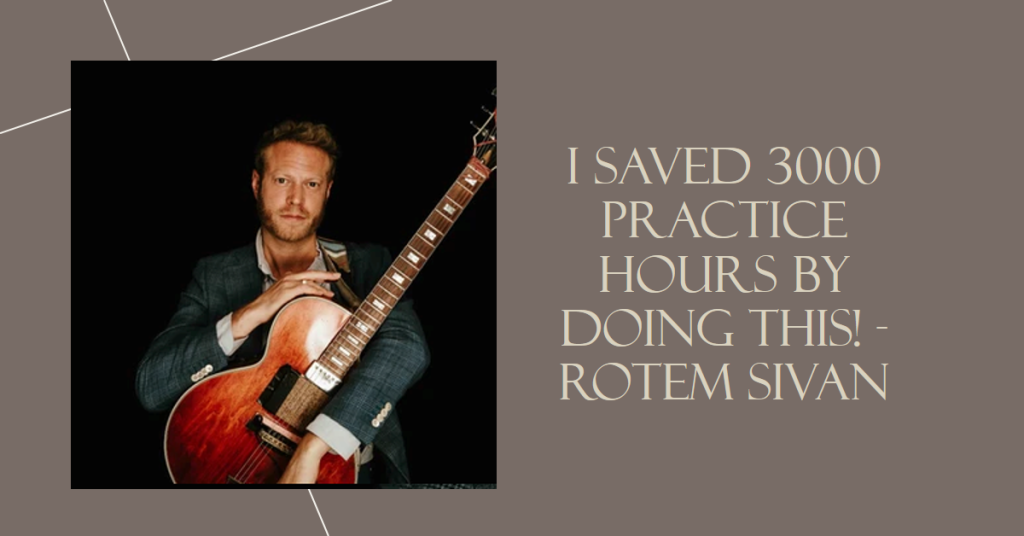
I Streamlined My Guitar Practice and Saved 3,000 Hours: Here’s My Routine
As an obsessed young guitarist, I used to practice 6-8 hours per day hoping to accelerate my development. But a lot of that time felt wasted on exercises that didn’t address my weaknesses or align with my musical goals.
Through trial and error over the years, I’ve created an efficient system that cuts away the fluff and optimizes every practice minute. By removing inefficiencies, I’ve saved over 3,000 hours on my guitar journey – and now I want to help you do the same!
Define Your Musical Destination Before Mapping the Route
When I first picked up the guitar, I simply practiced everything and anything, thinking broad skills would coalesce into prowess. But dramatic efficiency gains came when I stepped back to define exactly what I aimed to achieve at the instrument.
Am I striving to solo like B.B. King or shred like Yngwie Malmsteen? Blues, jazz, metal, and classical guitar mastery require developing different facets of technique and knowledge. With your musical destination clarified, plotting the optimal route becomes easy.
I wasted lots of time practicing advanced jazz harmony when I was still struggling with basic pentatonic improvisation that better served my goals. It takes ruthless honesty to admit current abilities and address those weaknesses directly through focused exercises.
Measure practice quality over quantity – targeted training yielding tangible growth is far superior to mindless repetition drilling arbitrary patterns. Establish a crystal clear vision of your musical goals and understand the incremental building blocks for structuring fruitful, deliberate practice.
Internalize the Fretboard Geography by Understanding Notes
In the beginning, I never even contemplated guitar notes, assuming mastery meant memorizing as many cool shapes and patterns as possible. This limited perspective hindered my fretboard fluency and memorization burdened progression. The breakthrough came when I started actively studying note names everywhere on the neck.
Suddenly scales weren’t disconnected patterns but repetitive notes manifesting everywhere through octave displacement. Chords voiced similar tones differently based on harmonic contexts. Through ear-training note relationships, the guitar’s logical structure clicked rapidly.
I cannot overstate how linking these dots accelerated growth by enabling the rapid assimilation of new ideas through associations rather than starting from scratch. Sing notes while playing them to stimulate neuronal connections through simultaneously engaging auditory, verbal, tactile, and visual faculties. If something remains strictly mechanical and rote, integration suffers greatly.
Confront Technique Pitfalls Through Isolated Fundamentals Drills
Insecurity strumming certain strings or accurately fingerpicking haunted my early playing attempts. Rather than hoping issues corrected themselves through unmindful practice repetition, I confronted these weaknesses directly. I extracted specific physical movements that posed problems, dialing tempo back radically to retrain muscle memory properly.
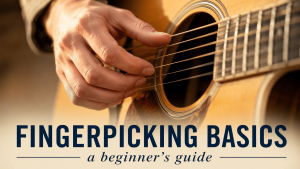
For instance, to develop finger independence for fingerstyle playing, I devised picking exercises alternating different finger sequences on open strings at glacial tempos, not even watching my hands but relying purely on tactile feedback.
Through incrementally ratcheting up speed over weeks, previously unreliable technique became automatic. Addressing flaws consciously through dedicated drills targeting root causes brings efficiency improvement light years faster than mindless scale running.
Daily Framework Expansion Through Varied Approaches
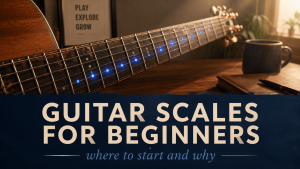
Scales provide the essential colors for painting melodic masterpieces when improvising. I devote regular sessions just exploring harmonic frameworks like scales and arpeggios. But rather than running patterns robotically, I alter approaches constantly to deepen understanding.
Play a scale on one string, then outline triads on adjacent strings, then shift positions chromatically – such variations expose you differently to the same sonic source, magnifying assimilation.
You stretch your fretboard vision observing how shapes morph navigating the neck while still honing the intricacies of that pattern or key. Changing rhythmic subdivisions, articulations, and phrasings while executing a scale also breeds fluidity.
Avoid mechanical muscle memory by introducing challenges forcing continued active thinking. By developing interest in small details through variants, the fretboard reveals deeper secrets slowly. Tiny daily discoveries compound over months into giant leaps most judge unthinkable when starting out.
Instantly Bridge Exercise to Expression Through Improv
A crucial efficiency lesson was realizing playing scale patterns by themselves gets boring quickly, sapping motivation over time. I transformed repetitive framework training into enjoyable, low-pressure improv by applying shapes spontaneously to create musical ideas immediately.
It takes mere seconds to turn a scale into a unique phrase, lick, or melody germinating creative seeds blossoming later through compositions or refined improvisation.
Staying chained and isolating pure technique too long risks nurturing mathematician-like playing – accurate but uninspired. Introducing even basic creativity between drilling patterns massively boosted my enjoyment while revealing connections between fingers and feelings.
Start brainstorming simple musical variants the moment you can cleanly articulate any exercise. Avoid sterilizing your practice through single-minded structure adherence at the expense of spontaneity and discovery.
Bust Plateaus Through Switching up Challenges
One of my biggest practice breakthroughs was recognizing when continuing grinding at something yields diminishing returns. You often experience quickly accelerating improvement digesting a new concept before suddenly losing momentum and plateauing despite continually repping material. Many interpret this as a sign to keep practicing that element even harder rather than the actual message – shift gears!
Our brains and nervous systems thrive on change, variation, and periods of reflection to promote development and learning. Lean into this rather than attempting to circumvent natural cycles. Limit practicing specific exercises to a few dedicated weeks before moving to something else.
Revisiting challenges later with fresh eyes and ears breeds breakthroughs. Consistently changing focal points is essential for lasting progress even if temporarily disrupting comfort zones before welcoming new musical growth spurts.
The smartest musicians liberate themselves from rigid goals measured in hours practiced or milestones reached before allowing creativity to unfold freely. Practice should inspire, not tire the soul. Streamline your philosophy first before optimizing practice time itself.
Hopefully, these insights from experience can shortcut your development through targeted efficiency strategies! Let me know if you have any questions.

FAQs
How long should I practice one thing before moving on?
There’s no universal time limit, but pay attention to when motivation/progress wanes after an initial spike. That signals the time for a change. A few weeks on a specific element is often optimal.
How frequently should I revisit old challenges?
Again no universal rule, follow intuition and curiosity. But 1-6 months later allows fresh perspective while details remain familiar. Journaling discoveries helps cement concepts too!
How do I balance fundamentals practice with playing freely?
In each session, devote time specifically to core exercises mastering key concepts apart from just playing what you already know. But also incorporate elements of ear training, improvising, composing, etc. marrying multiple learning modalities.
How do I avoid boredom practicing essentials like scales/arpeggios?
Transform rote exercises into musical ideas as soon as possible by improvising. Also modify parameters like rhythms, articulations, and positions often when drilling patterns to introduce novelty-stimulating learning.
Hopefully, by sharing my own experience, I can shorten the journey for other aspiring guitarists looking to elevate their musical expressiveness. Feel free to reach out with any questions!
Visit my website: rotemsivan.com.
Join me on Patreon: patreon.com/Rotem/Sivan
Peace!