If you’re looking to buy your first acoustic guitar in 2024, you’ll quickly find many options to consider. As a beginner, finding the right guitar for your needs and budget can feel overwhelming.
Factors to Consider in a Beginner Acoustic Guitar
When shopping for an acoustic guitar as a beginner, there are a few key factors to consider:
Budget
Your budget will largely dictate the quality of the guitar you can afford. Generally, you’ll want to spend at least $150 to get a guitar that’s playable and sounds decent. Expect to spend up to $600 for a great beginner acoustic.
Body Style & Size
Common acoustic guitar body styles are dreadnought and concert. Dreadnoughts have a wider body, deeper sound, and suit strumming. Concerts are smaller with a bright, focused tone perfect for fingerpicking. Also, consider scale length and whether a 3/4 size guitar suits you better.
Wood Type
Higher grade wood like solid spruce or mahogany tops sound better but cost more. Laminate wood guitars are affordable yet durable options for beginners.
Strings
Steel strings give the brightest tones but are tough on fingers with high tension. Nylon strings are softer and easier to press down but sound mellow.
Top 10 Acoustic Guitars for Beginners
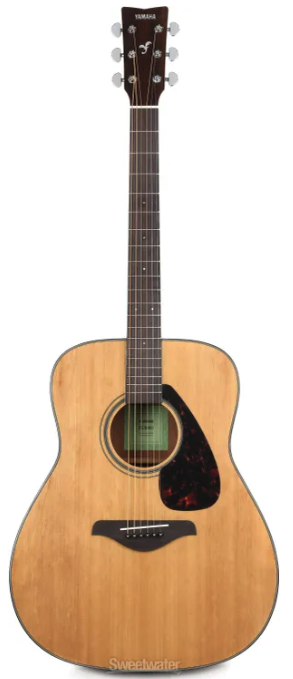
1. Yamaha FG800
With solid Sitka spruce and Nato neck and back, this dreadnought guitar sounds far better than its under $300 price suggests. The hand-finished matte neck is comfortable for beginners too.
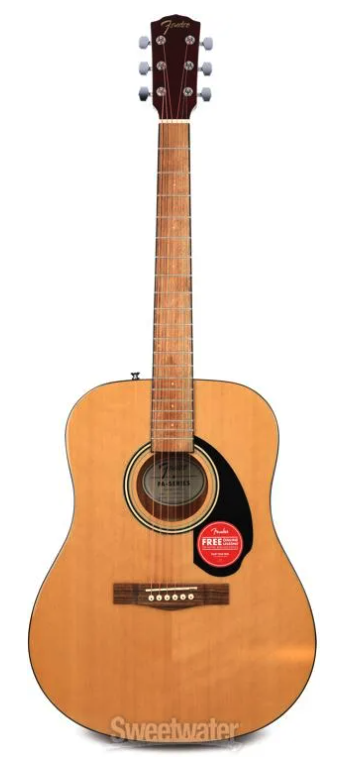
2. Fender FA-115
The full-scale dreadnought design with laminate spruce top and mahogany back and sides delivers a classic acoustic Fender tone for under $200.
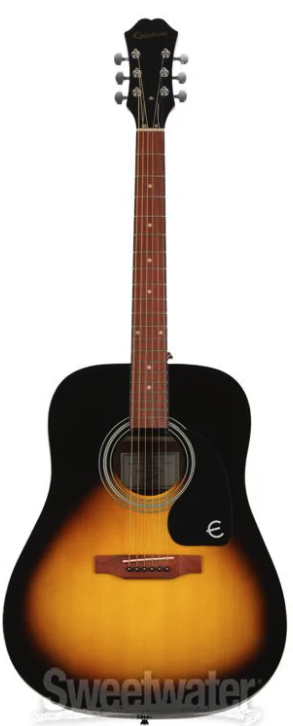
3. Epiphone DR-100
A small-body guitar perfect for travel and practice under $170. The select spruce and mahogany build with steel strings still produces a bold dreadnought sound.
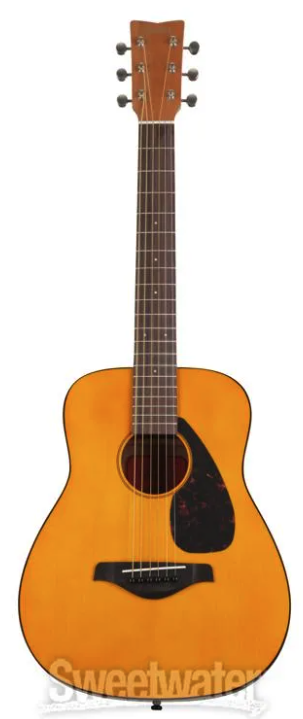
4. Yamaha JR1
This diminutive 3/4 size guitar is ideal for kids or small-statured adults learning acoustic. The spruce top and meranti back and sides still project nicely, while the shorter scale length and narrow fretboard suit smaller hands perfecting chords and technique. Around $160.
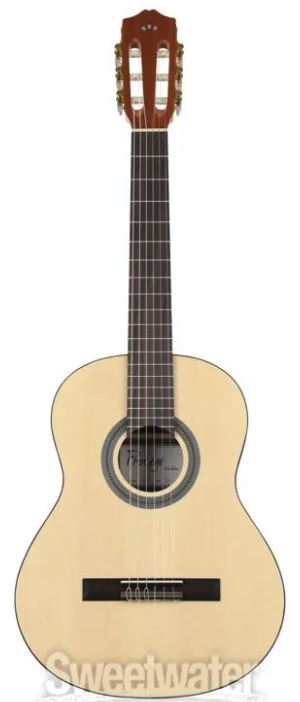
5. Cordoba C1M
This nylon-string classical guitar has a solid Canadian cedar top on mahogany with fan bracing for excellent resonance. The comfortable nylon strings are easier on the fingers for beginners and provide rich Spanish-style tones. Around $200.
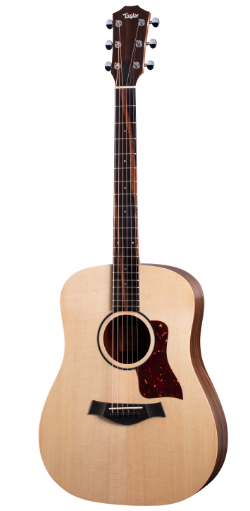
6. Taylor Big Baby
Taylor’s signature Big Baby has a small 15/16-scale dreadnought body with a big tone thanks to layered walnut sides and back. The smooth satin neck feels great under $500.
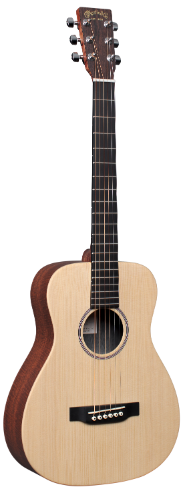
7. Martin LX1
A top all-solid wood guitar with Sitka spruce over mahogany. Easy to play with Martin’s trademark full sound. About $450 but a lifetime investment.
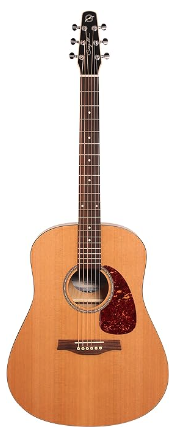
8. Seagull S6
Punching above its mid-level price class, this Canadian Seagull dreadnought produces incredible tones from premium cedar and wild cherry woods. One of the more expensive guitars on the list but an investment of a lifetime.
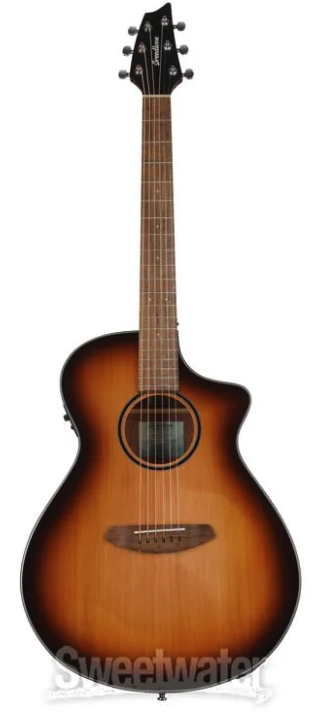
9. Breedlove Discovery Concert
Breedlove guitars play and sound fantastic, as evidenced by the Discovery Concert model. The articulated sound matches the comfortable concert body shape for under $550.
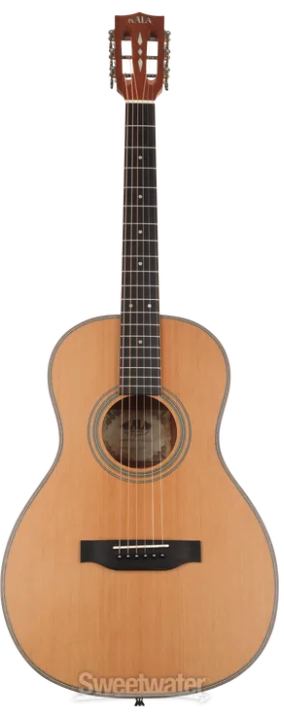
10. Kala Solid Cedar Top Parlor
This compact, parlour-style Kala acoustic has a solid cedar top with mahogany back and sides. It produces a focused, articulate tone perfect for fingerstyle playing. The smaller body size also suits smaller-framed players. Retails just under $350.
Extra Accessories All Beginners Need
In addition to the guitar itself, be sure to pick up:
- Extra strings – always good to have replacements ready
- Tuner – for proper tuning, read about the top 5 clip-on tuners here
- Capo – to transpose chord shapes up the fretboard
- Strap – for the guitar while sitting or standing
- Case – protects your investment
- Pick – start with a variety of picks to find the one that suits your playing.
Learn to Play: Beginner Guitar Guide
Once you have a guitar, it’s time to start playing. Here’s an overview of key techniques to practice as a total beginner:
Master Holding the Guitar Properly
Get comfortable with the instrument supported on your leg or with a strap. Curve your fretting fingers and keep your wrists straight.
Tune Your Guitar
Use a tuner, match to piano notes or tune strings relative to each other. Standard tuning from low to high is E-A-D-G-B-E.
Learn Essential Open Chords
Start with G major and C major. Then tackle D major, A major, and E major. Play each chord slowly until changing between them feels smooth.
Strumming Patterns
Once you switch between chords comfortably, focus on basic strumming patterns evenly. Downstrokes then upstrokes is an easy starting point.
Fingerpicking Basics
Pluck individual strings with fingers and thumb in sequence. Try simple melodies and riffs to train your fingers.
Use a Capo
A capo is a clamp that transposes chord shapes into a different pitch, enabling playing in different keys using the same open chord fingerings.
Putting together chords, strumming patterns, fingerpicking, and using a capo will allow any beginner to learn their first songs quickly.

FAQs: Beginner Guitar Questions Answered
Should I start on acoustic or electric?
Acoustic guitars better teach fingering technique since steel strings take more pressure. Learn acoustic first then add electric.
What size guitar do I need?
Adults use full size or 3/4 size. Size directly correlates to scale length. If frets feel too spread out and hard to play, consider 3/4.
How much does a decent beginner acoustic guitar cost?
Expect to spend $150 to $500 for a quality acoustic with good sound and playability to learn on long-term.
Is buying a used guitar smart for beginners?
Used guitars work for beginners if properly inspected and refurbished by a professional guitar tech first. Stick with reputable brands.
Learning to play an acoustic guitar lays a solid foundation for skills that transfer over to electric or other instruments down the road. Focus on playability within your budget, get the must-have accessories, and dive into chord and fingerpicking basics using resources like YouTube lessons.