Learning to play the guitar can be an incredibly rewarding, yet challenging experience. As a beginner, it’s normal to feel overwhelmed by complex techniques and alien musical concepts.
With the right guidance and commitment to consistent practice, anyone can progress from fumbling novice to strumming songs with ease.
Follow these essential tips to smoothly transition from raw beginner to guitar player proficiency.

1. Learn the Basic Parts of a Guitar
Before you can start strumming chords or plucking strings, it’s important to familiarize yourself with the fundamental components that make up a guitar.
The Anatomy of a Guitar
Understanding basic guitar anatomy will make learning much easier down the road. Key parts to know include:
- Headstock: Holds tuning keys to change pitch of strings
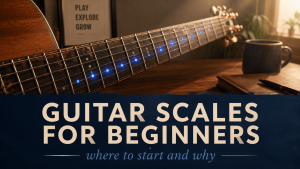
- Frets: Metal strips along the neck that produce different notes
- Strings: Typically 6 strings that vibrate to create sound
- Bridge: Secures strings to the body of the guitar
You’ll also want to know about the body, pickups, tonewoods, and other specifications that distinguish acoustic from electric versions.
2. Tune and Care For Your Guitar
An out-of-tune guitar can ruin any practice session or musical performance. That’s why beginners must master basic tuning skills from the start.
Tuning a Guitar
The standard tuning for most guitars from thickest to thinnest strings is:
- E, A, D, G, B, E
Invest in a clip-on tuner or use a free tuner app to help match the open strings to the correct pitches. Tune your guitar every time before you play to prevent ingraining bad habits.
Changing Strings
Replace old strings regularly to keep your guitar sounding its best. Coated strings last longer, but many players prefer the brighter tone of uncoated stainless steel or bronze strings.
Cleaning and Maintenance
Wipe down stringed instruments after every use to prevent damaging moisture buildup. Periodically polish glossy finishes to restore luster. Store guitars properly in hard cases or stands when not playing.
3. Learn Basic Open Chords
Chords are harmonic groups of notes played together to create rich-sounding accompaniment for melodies and solos. All guitarists should dedicate practice to memorizing the most common open chords:
Major and Minor Chords
The foundation chords for most popular songs utilize major triads like G Major and minor chords like Am. Master these beginning guitar chords first:
- C major
- A minor
- G major
- E minor
Then expand your open chord vocabulary to barre chord formations:
- F major
- B major
- D minor
- C minor
Knowing these basic chords will allow you to play a wide range of songs.
4. Practice Smooth Chord Changes
Connecting basic guitar chords requires dexterity. Be patient as your fingers build calluses and hand-eye coordination.
Transition Tips
Use these methods to tackle troublesome chord changes:
- Utilize chord change mnemonic devices
- Master individual finger placement before combining chords
- Gradually speed up changes to match song tempos
With mindful practice, clean chord changes will become second nature.
5. Refine Your Strumming Skill
Strumming patterns set the rhythm and tempo. Once able to quickly switch between common chords, dedicate practice to strum precision.
As a beginner guitarist, focus on:
- Strumming with alternating down and up strokes
- Maintaining rhythm by strumming to a metronome
- Gradually incorporating strumming patterns like D-D-U-U-D-U
Listen to songs in genres you enjoy and emulate the grooves.
6. Start Playing Songs
Connecting chords and sharpening your strumming skills prepares you to have fun with your first tunes.
2-4 Chord Songs
Many famous songs utilize simple two, three, or four-chord progressions. Practice some beginner favorites like:
- Wild Thing – A, D, E
- Louie Louie – D, Em, A
- Stand By Me – A, E7, Dm, G
Strumming Patterns
Match your strumming to the mood of each style. For instance, use upbeat chucking for pop punk, relaxed long strums for ballads, etc.
Have patience getting accustomed to chord changes and timing. You’ll be ready for more advanced tunes and techniques in no time.
7. Learn Notation and Tablature
While playing by ear is a valuable skill, reading music unlocks your ability to interpret guitar parts precisely. Mastering the language of written music gives you a toolbox to dissect difficult riffs and understand complex arrangements.
Familiarize yourself with:
- The staff, measures, notes, rests, time signatures, etc.
- Tablature notation for guitar-specific parts
Combine your new knowledge with critical listening to unlock the secrets of your favorite songs.
8. Advance to Barre Chords and Fingerpicking
You have a strong beginner foundation. Now apply persistence to increasingly difficult playing techniques that will make you a well-rounded guitarist.
Barre Chords
These chords require you to lay your index finger flat across multiple strings. Challenge yourself with major and minor barre chords up the guitar neck.
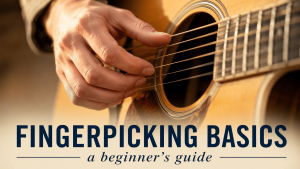
Fingerpicking Patterns
Instead of strumming, utilize your thumb and fingers to pluck multiple strings. Useful in many genres for melody and accompaniment.
Be deliberate and patient learning these intermediate skills. Slow progress will pay off.
9. Keep Growing as a Guitarist
Congratulations on your graduation from beginner status! Remember that lifelong learning is instrumental to mastery.
Goal Setting
Continue expanding your knowledge by setting specific goals tailored to your musical passions. Want to play heavy metal? Work on palm muting, soloing, alternate tuning, sweep picking, etc.
Resources
Use books, online courses, YouTube tutorials, and in-person lessons to incrementally tackle new techniques. Join online guitar forums to exchange tips.
Learning guitar has no definitive endpoint. Consistently push yourself into unfamiliar territory on your musical journey. Rewarding proficiency awaits.

Frequently Asked Questions
How long does it take to learn guitar?
Most guitarists can learn enough chords to play recognizable songs after practicing regularly for about six months. Mastering the guitar takes years of building on fundamentals. Be patient and set milestones.
What is the best guitar for a beginner?
Purchase an affordable acoustic guitar to start. Lucerne, Fender, or Epiphone all produce quality guitars for under $200. Save investing in an expensive electric guitar until you have developed a solid basic technique. We compiled a list of the top 5 acoustic guitars for beginners here.
Should I take guitar lessons?
Yes – working with an instructor accelerates progress tremendously. One-on-one guidance helps correct poor form. Lessons also increase accountability and structure. If lessons aren’t feasible, use other resources.
How often should I practice guitar?
Aim to practice at least one hour per day as a beginner. Break that into smaller sessions if needed. Even 15 concentrated minutes daily is hugely beneficial. Prioritize regularly touching your guitar.
What are the best tips for new guitar players?
Master open chords, practice smooth changes between them, refine your strumming, care for your instrument properly, play along with songs you enjoy, be patient with yourself, and keep learning new skills consistently.