Picking up a new hobby later in life can feel both exciting and intimidating. Guitar playing, in particular, has become increasingly popular among older adults. But why exactly do older adults pick up guitar playing?
Why Do Older Adults Pick Up Guitar Playing
Older adults typically take up guitar playing for a combination of reasons, ranging from personal fulfillment to cognitive health. Let’s explore these motivations and uncover what makes guitar playing particularly appealing for individuals later in life.
One of the primary reasons older adults pick up guitar playing is the desire to maintain or enhance cognitive function. Learning a musical instrument has been scientifically shown to improve memory, concentration, and overall brain function. Studies by institutions like Johns Hopkins Medicine and Harvard Medical School have demonstrated that learning an instrument later in life can significantly delay cognitive decline and even improve neuroplasticity, making the brain more adaptable and resilient.
Playing guitar is an emotional outlet that can provide considerable relief from stress, anxiety, and depression, common issues among older adults. Music therapy is well-documented as a method for reducing emotional distress, boosting mood, and promoting relaxation. Picking up guitar playing enables older adults to express themselves creatively, enhancing their emotional well-being and providing a positive outlet for emotional expression.
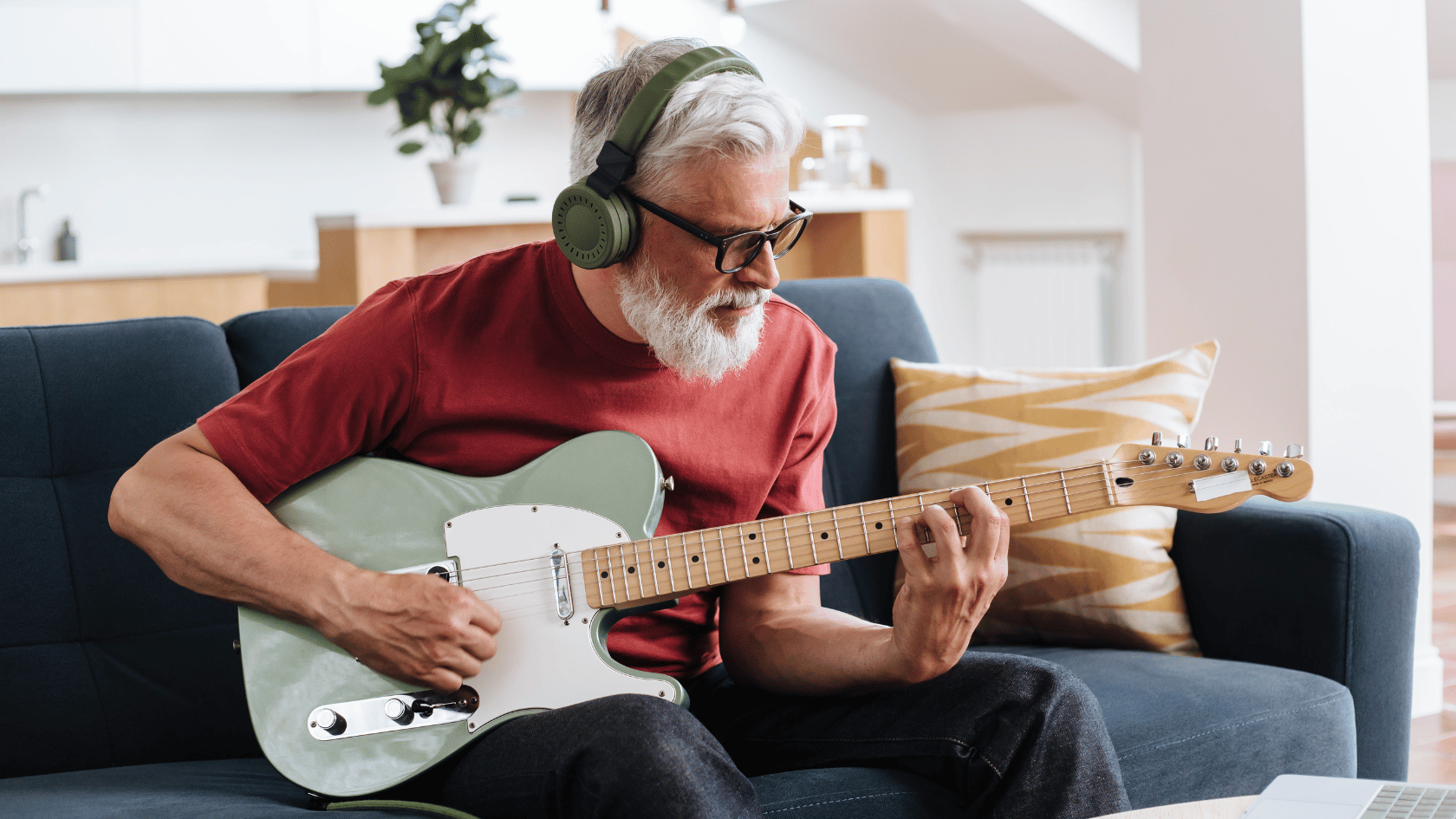
As people age, maintaining social connections becomes increasingly important yet sometimes challenging. Guitar playing offers older adults opportunities to engage socially, join music groups, guitar classes, or jam sessions. Organizations such as local senior centers, community colleges, and music schools frequently host classes and groups specifically tailored for older adults, fostering friendships, camaraderie, and a sense of belonging.
Guitar playing involves precise finger movements, hand-eye coordination, and overall motor skills, all of which are critical for maintaining physical dexterity in older age. Regular practice can enhance fine motor skills and hand strength, contributing positively to an individual’s physical health. Physical therapists often recommend musical activities like guitar playing to maintain hand flexibility and coordination in seniors.
Challenges Older Adults Face When Learning Guitar
While the benefits are numerous, older adults picking up guitar playing may face certain challenges. Understanding these obstacles helps mitigate frustration and promotes sustained interest in guitar playing.
Reduced finger flexibility can initially pose a challenge. However, dedicated practice and specific exercises tailored for older beginners can gradually improve finger strength and flexibility.
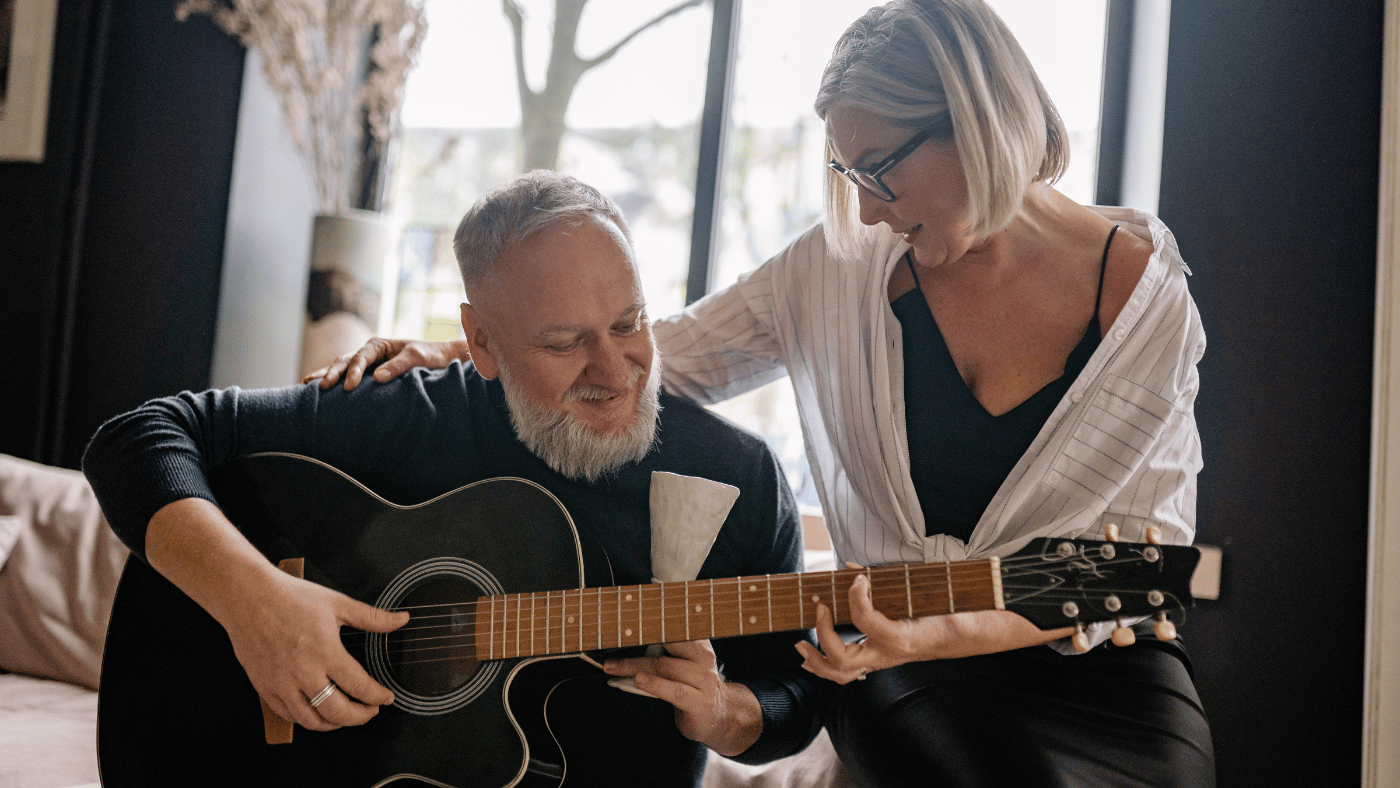
Cognitive processing speed may be slower for some older adults. Patience, consistent practice, and specialized instructional materials designed for older learners can greatly assist in overcoming this barrier.
Essential Tips for Older Adults Starting Guitar
Successfully picking up guitar playing later in life requires strategic approaches and realistic expectations. Here are crucial tips to ensure sustained interest and noticeable progress:
Opt for guitars specifically suited for beginners or models that offer easier playability. Acoustic guitars with nylon strings (classical guitars) are gentler on fingers, reducing discomfort and encouraging longer practice sessions.
Structured guitar lessons, either online or in-person, specifically designed for older beginners, provide effective learning methods and tailored pacing.
Maintaining a regular, manageable practice schedule significantly enhances progress. Short daily sessions of 15-30 minutes yield better results than infrequent lengthy sessions.
Real-Life Inspirations
Prominent guitarists like blues legend B.B. King, who actively played well into his later years, demonstrate that guitar playing can remain a vibrant and fulfilling pursuit regardless of age. Many older adult guitar communities are thriving online, encouraging beginners by sharing personal experiences and success stories.

FAQs About Older Adults Picking Up Guitar
Q: Is it too late to learn guitar at 60 or older?
- No, it’s never too late. Many older adults successfully start playing guitar and gain numerous cognitive, emotional, and social benefits.
Q: How long does it take older adults to learn guitar?
- While the learning pace varies, older adults typically see significant improvements within a few months of consistent practice.
Q: What type of guitar is best for older beginners?
- Acoustic guitars with nylon strings are generally recommended due to their ease of play and reduced finger strain.
Q: Can playing guitar help with arthritis?
- Yes, playing guitar can improve finger flexibility and strength, potentially easing some arthritis symptoms with regular practice.