Taming the Six-String Storm: A Focused Guide to Practicing Guitar with ADHD
For individuals with ADHD, the journey of learning to play the guitar can feel like a paradox. The very traits that can make traditional learning a challenge—a racing mind, an aversion to rigid structure, and a constant search for novelty—can also be the secret ingredients to becoming a uniquely creative and passionate musician.
Learning to play an instrument can improve attention, focus, and memory, making the guitar a powerful tool for those with ADHD. This article explores how to harness the unique wiring of the ADHD brain to create an effective and enjoyable guitar practice routine.
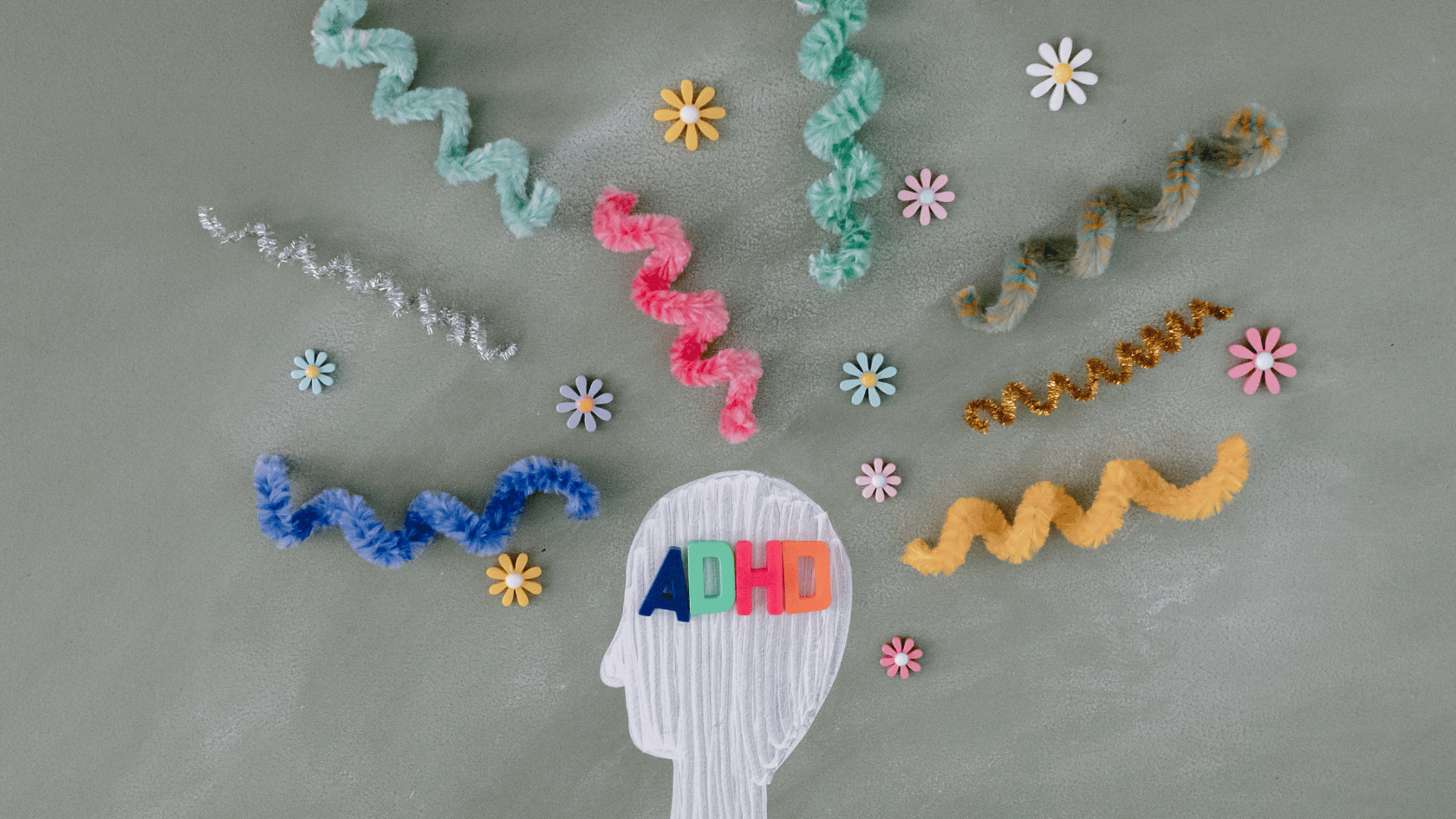
The Unique Synergy Between the ADHD Brain and Guitar
The ADHD mind is often associated with creativity, out-of-the-box thinking, and the ability to hyperfocus on subjects of intense interest. These traits can be superpowers when applied to music. The guitar, with its blend of rhythmic, melodic, and technical elements, provides a rich and engaging outlet for a mind that craves stimulation. The immediate auditory feedback and physical engagement can also trigger dopamine release, which can enhance motivation and focus.
Creating Your ADHD-Friendly Practice Environment
A successful practice routine begins with an optimized environment. For someone with ADHD, this means consciously designing a space that encourages focus and minimizes the temptation of distractions.
Minimize Distractions
Your practice area should be a sanctuary dedicated to music. This means reducing both visual and auditory clutter. Turn off notifications on your phone or, even better, leave it in another room. Some individuals with ADHD find that a consistent background noise, like a fan or a white noise machine, can help drown out other more distracting sounds.
Keep Your Gear Visible and Accessible
The principle of “out of sight, out of mind” is a powerful force for those with ADHD. If your guitar is tucked away in its case, the mental energy required to get it out can be a significant barrier to starting. Keep your guitar on a stand, plugged in, and ready to go. This simple visual cue makes you far more likely to pick it up and play, even for just a few minutes.

Structuring Your Practice for Success
While the ADHD brain might resist rigid, lengthy schedules, it thrives on structure and routine when implemented correctly. The key is to work with your natural attention span, not against it.
The Power of Short, Focused Sessions
Forget the traditional hour-long practice block. Shorter, more frequent sessions are often far more effective for maintaining focus. Aim for 15-30 minute “micro-sessions” throughout the day. This approach prevents burnout and makes practice feel less overwhelming. Techniques like the Pomodoro method—a focused 25-minute work interval followed by a 5-minute break—can also be highly effective for structuring practice time.
Setting Clear and Achievable Goals
Vague goals like “get better at guitar” can be paralyzing. Instead, set specific, measurable goals for each practice session. For example, you might aim to: “master the chord change from G to C” or “play the main riff of my favorite song at 80% speed.” Writing these small goals down and checking them off can provide a satisfying dopamine boost and a clear sense of progress.
The Importance of a Consistent Routine
Establishing a consistent time and place for practice can help turn it into an ingrained habit. This reduces “decision fatigue”—the mental energy spent figuring out when and how to practice. Try linking your guitar practice to an existing daily habit, such as right after your morning coffee or before bed.
Hacking Motivation and Maintaining Interest
Motivation can be a fleeting resource with ADHD. The trick is to build a practice that continually sparks your interest and rewards your brain for engagement.
Follow Your Passion: Interest-Based Learning
One of the most powerful strategies is to let your interests guide you. Don’t feel obligated to follow a traditional, linear learning path. If you’re excited to learn a complex solo before you’ve mastered every basic chord, go for it. The enjoyment and challenge will keep you engaged and make practice feel like play, not a chore.
Gamify Your Practice
Turn your practice into a game to keep your brain engaged. Use a timer to race against the clock on speed drills or challenge yourself with sight-reading exercises. Apps like Habitica can also help by turning your goals into a role-playing game.
The Power of Rewards
Set up a system to reward yourself for achieving your practice goals. This positive reinforcement helps to solidify the habit. The reward could be something small, like watching an episode of your favorite show, or something bigger, like treating yourself to a new guitar pedal after a month of consistent practice.
Techniques to Enhance Focus During Practice
Even with the perfect environment and structure, maintaining focus can be a moment-to-moment battle. Here are some techniques to use during your practice sessions.
Embrace a Non-Linear Approach
If you find your focus waning on a particular exercise, don’t be afraid to switch to something else. It’s better to stay engaged by moving between different tasks—like practicing scales, learning a new song, and working on ear training—than to force yourself to grind through something that has become frustrating.
Incorporate Movement
For many with ADHD, fidgeting and movement can actually improve focus and alertness. Luckily, playing the guitar is an inherently physical activity. Allow yourself to move with the music. If you need a break, stand up and stretch or walk around the room for a few minutes.
Leverage Technology: Apps and Tools
Technology can be a powerful ally. Use metronome and tuner apps to provide structure and ensure you sound your best. Interactive sheet music apps can help by allowing you to loop difficult sections. For a more direct impact on focus, consider apps like Brain.fm or Focus@Will, which use specially designed audio to enhance concentration.
Inspiration from Musicians with ADHD
You are in good company. Many successful and iconic musicians have been open about their experiences with ADHD. This includes artists like Dave Grohl of the Foo Fighters, Adam Levine of Maroon 5, and the late Elliott Smith. These musicians channeled their unique perspectives and energy into creating timeless music, proving that ADHD can be an incredible asset in a creative field.

FAQ
Q: How long should I practice guitar if I have ADHD?
A: Shorter, more frequent practice sessions of 15-30 minutes are generally more effective than one long session. It’s crucial to listen to your brain and stop before you feel completely drained or frustrated.
Q: Is it better to have a teacher or learn online with ADHD?
A: This depends on the individual. A good teacher who understands your learning style can provide personalized structure and feedback. However, online platforms offer the flexibility to learn at your own pace and jump between topics that interest you, which can be very ADHD-friendly.
Q: What if I get frustrated and want to quit?
A: Frustration is a normal part of learning any new skill. When you feel overwhelmed, take a short break. Remind yourself of your goals and reframe mistakes as valuable learning opportunities rather than failures. Focusing on the music you love can also reignite your passion.
Q: Can learning guitar help with other areas of my life affected by ADHD?
A: Yes. The skills you develop while learning guitar—such as improved focus, discipline, time management, and emotional regulation—can have a positive impact on other areas of your life, including school and work.
Q: Are there any specific types of guitars or music that are better for people with ADHD?
A: The best instrument is one that you find enjoyable and easy to play, so consider starting with a nylon-string or electric guitar to avoid the initial finger pain that can be a frustrating barrier. In terms of music, many find that rhythmic or fast-paced genres can be particularly engaging for the ADHD brain, but the most important factor is playing music that you genuinely love.