The guitar has evolved immensely from its early origins to the high-speed shred fests of today. Guitar playing techniques have progressed dramatically, allowing great innovations in musical styles.
The Blues Guitar Beginnings
The guitar has its early origins in African-American blues music from the late 19th and early 20th century. Blues pioneers like Robert Johnson and BB King developed the core blues guitar techniques that still influence players today.
Slides, Bends, and Vibrato
Early blues guitar focused heavily on emulating the vocal style of blues singers. Techniques like slides bends, and vibrato allowed guitarists to mimic the pitch fluctuations, note stretches, and expressiveness of vocalists.
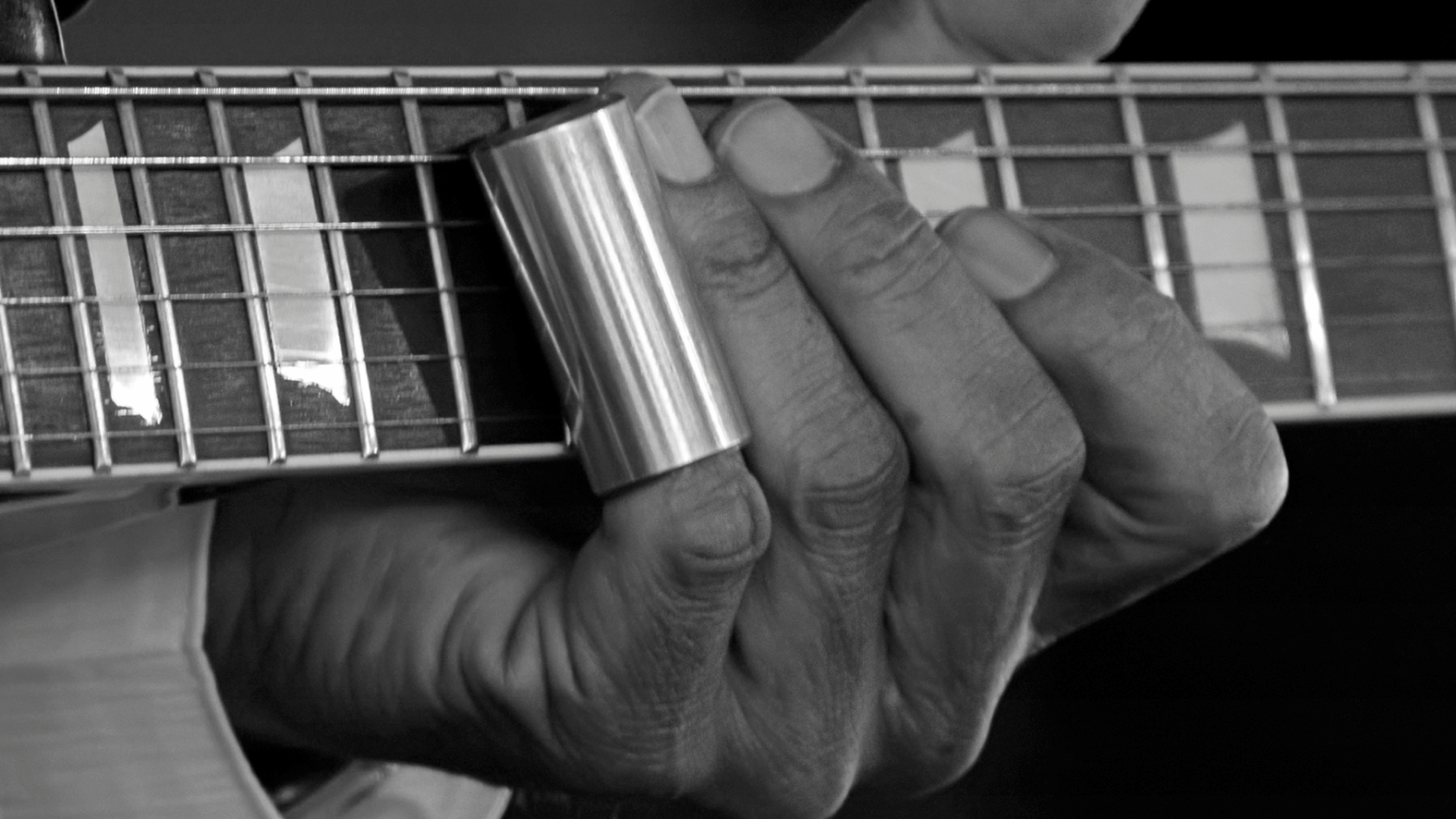
Playing with emotion and feel was valued over advanced technical skills. Bottleneck slides produced a soulful, weeping tone, while techniques like the patented BB King vibrato became integral to the blues guitarist’s toolbox. These techniques are at the foundation of nearly all blues-based guitar playing today.
Rhythmic Chord Strumming
Blues guitar also made great use of rhythmic chord strumming to provide a solid accompaniment and rhythm behind the impassioned solos and vocals. From straightforward chugging to swung shuffle feels, the rhythmic chord work of early blues guitarists made the guitar an indispensable part of the blues band.
These chord techniques evolved into chord soloing, where the guitarist treats rhythm chords as part of the melody. This chordal, rhythmic DNA lived on through rock, jazz, and other genres.
The Rise of Rock Virtuosos
As blues evolved into rock’n’roll during the 1950s and 60s, a crop of pioneering guitar heroes emerged who escalated the guitar to new technical and musical heights. Guitarists like Chuck Berry, Jimi Hendrix, Jimmy Page, and Eric Clapton built considerably on the guitar foundations of old, incorporating radical new sounds, technologies, and techniques.
Distortion and Experimental Sounds
The advent of the first stompbox distortions and wah-wah pedals paired with high-volume amp rigs gave rock guitarists the sonic arsenal to create extremely expressive tones.
Guitarists like Jimi Hendrix experimented endlessly with feedback, distortion, whammy manipulation, and unorthodox effects to stretch the traditional vocabulary of the guitar. The spirit of reckless experimentation produced entirely new colors on the guitar.
Flashy Rock Soloing
Building on early blues soloing approaches, rock guitarists developed increasingly advanced melodic soloing capabilities. The likes of Jimmy Page and Eric Clapton awed audiences with their articulate note runs and emotive string bends.
This mastery of fluid melodic expression established the archetype of the rock guitar virtuoso soloist. Felix Pappalardi’s production on Cream’s “Strange Brew” highlights some of history’s most revered guitar tone and solo work from Clapton.
Two-Handed Tapping
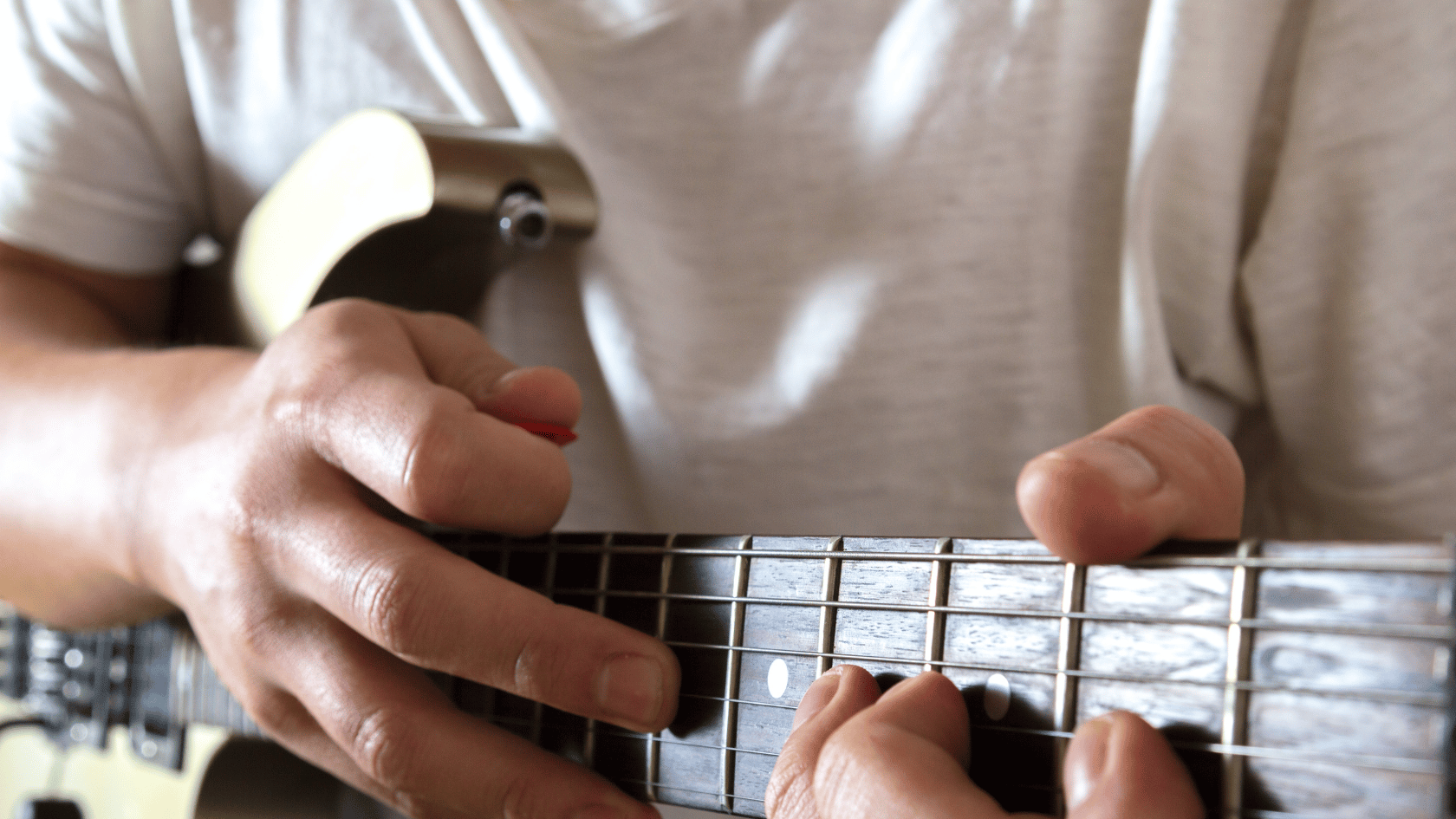
As rock guitarists pushed technical limits further, some began expanding on an obscure 1-handed tapping technique to develop a revolutionary two-handed tapping approach. Guitarists like Eddie Van Halen and Randy Rhoads popularized this technique that allows extremely fast playing by hammering notes on the fretboard with both hands. While expanding the stylistic vocabulary, some critics argue fast tapping can prioritize technical flash over musicality.
The Dawn of Shred Guitar
Building on the possibilities opened by rock guitarists, a new breed of guitarist emerged in the 80s who focused intensely on elevating individual technical mastery of the guitar. Players known as “shredders” like Yngwie Malmsteen dazzled audiences with previously unimaginable fretboard speed.
Sweeping and Alternate Picking
Shredders aggressively pioneered new approaches for playing fast guitar lines with crystal clarity. Instead of a back-and-forth pick motion on single strings, sweep picking uses fluid left-right pick strokes across multiple strings to render rapid arpeggios or scale runs.
Shredders also gravitated toward exacting alternate picking rather than sloppy downstroke chugging, allowing ruthlessly accurate 16th notes. Mastering these picking hand gymnastics became a must for shred glory.
Hyper-Speed Soloing
While earlier rock guitarists were certainly no slouch, shredders made speed an absolute prerequisite. Impossibly fast alternate picked and legato runs using techniques like tapping became a core part of the neoclassical shred style.
Swedish virtuoso Yngwie Malmsteen took this hyper-speed approach and combined it with advanced neoclassical composition for a new generation of guitar soloing. Shredders viewed battering audiences into submission with a relentless flurry of notes as a surefire way to conquer.
Modern Progressive Metal Shredding
As extreme metal genres like death and black metal pushed the boundaries of music’s overall aggression, some experimental progressive metal bands applied this intensity to technical guitar mastery. Groups like Animals as Leaders and Periphery have become the new torchbearers of playing punishingly complex guitar parts at blinding speeds.

Avant-Garde Writing and Tapping
Where most earlier shredding focused on soloing, the prog metal scenes champion highly intricate composed passages. Guitarists like Tosin Abasi pen staggeringly complex riffs and polyrhythms with an avant-garde sensibility. These bands also incorporate insane shred techniques like hybrid picking, sweep tapping, polyphonic tapping and violin-esque tremolo picking as just part of the vocabulary.
Ergonomic Guitar Designs
To easily access the range of tones and techniques required for modern progressive metal, guitar makers have designed radical ergonomic enhancements. Instruments like multi-scale fanned fret guitars and extended range guitars with extra strings accommodate the huge pitch range and complex chord voicings these groups exploit.
Pickup configurations emphasize crisp note articulation even in the lowest registers. Hardware like Evertune bridges and endorsed amplification provide the perfect ecosystem for chugging, djenting, and shredding.
What Does the Future Hold?
Part of what makes the guitar such an iconic instrument is its perpetual ability to adapt and evolve. As long as creative musicians keep pushing boundaries, nothing rules out a new crop of guitar innovators emerging once more.
Could miniature wireless devices enable playing multiple guitars at once? Will brain-reading technology produce guitars that respond to thought alone? Could artificial intelligence create a living guitar that “jams” with musicians? With computers reinventing music production altogether, the possibilities are wide open.
One thing remains certain – no matter how much technology progresses or culture shifts, there will always be room for genuine, human creative expression through the guitar. The instrument might look or sound radically different, but that resonant string vibration touching our souls will endure.
As guitar playing techniques progress down new unexpected paths, now is a golden era to revolutionize guitar for future generations. The only barrier is imagination itself. Now get shredding!

FAQ
What was the first guitar playing technique?
The earliest guitar playing likely involved simple chords, slides, and percussive rhythms. Guitar originated from older stringed instruments like the lute, which were played with fingers or primitive picks. The core techniques like strumming and plucking strings have remained relatively unchanged at the foundation level.
Who pioneered modern electric guitar playing?
While early blues guitarists were innovating the instrument’s possibilities, the 1950s rock n roll generation arguably created the vocabulary we associate with guitar today. Chuck Berry’s quick double-stops, Link Wray’s distorted power chords, Buddy Holly’s melodic lines, and more provided the musical DNA that countless rockers built upon. Once the distorted electric guitar was forged into rock’n’roll, it was game on.
What is the most advanced recorded guitar technique?
At any given moment, some prog metal guitarist is probably in a studio basement pushing previous conceivable limits of guitar technique. Groups like Animals as Leaders regularly publish material featuring things like hybrid picking through quintuplet tapping arpeggios performed underneath two-handed fretting that enables simulated quarter tone bends in a microtonal string skipping sequence.