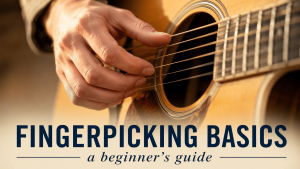
Discover the causes, symptoms, and prevention tips to keep your playing pain-free… Learn how to protect your arms and enjoy guitar safely.
Can Playing Guitar Cause Tennis Elbow?
Playing the guitar is a rewarding hobby and a creative outlet for millions. However, repetitive movements and improper techniques can lead to physical discomfort and injuries, including tennis elbow. Tennis elbow, medically known as lateral epicondylitis, is a condition caused by overuse of the forearm muscles and tendons. In this article, we’ll explore whether playing guitar can cause tennis elbow, what symptoms to watch for, and how to prevent and manage this common issue.
The author after playing guitar for over thirty years began to experience pain which over time did not subside even when taking a break from playing. The tendons became so damaged from repetitive stress that in the end surgery was required. Now the only way to play is with very light gauge strings and tuning down a full step. And even then ice and rest are required.
If you experience pain seek medical advice and adjust your playing. Don’t try to power though, you can cause irreversible damage.
What Is Tennis Elbow?
Tennis elbow is a condition characterized by pain and tenderness on the outer part of the elbow. It results from inflammation or microtears in the tendons that attach to the lateral epicondyle—the bony prominence on the outside of the elbow. Despite its name, tennis elbow isn’t exclusive to tennis players; it can affect anyone performing repetitive arm motions, including guitarists.
Common Symptoms of Tennis Elbow:
- Pain or tenderness on the outer part of the elbow.
- Weak grip strength.
- Pain that worsens with activities requiring wrist or forearm movement.
- Discomfort when lifting objects or playing the guitar.

Can Playing Guitar Cause Tennis Elbow?
Yes, playing the guitar can contribute to tennis elbow, particularly if you practice for extended periods without proper technique or rest. Guitarists frequently use repetitive motions, such as strumming, fretting, and picking, which can strain the forearm muscles and tendons over time. Poor posture, improper hand positioning, or gripping the guitar neck too tightly can exacerbate the risk.
Factors That Increase the Risk:
- Practicing for long hours without breaks.
- Using excessive force while fretting or strumming.
- Playing on a poorly set-up guitar with high string action.
- Neglecting warm-up exercises before playing.
Preventing Tennis Elbow While Playing Guitar
Preventing tennis elbow involves adopting healthy habits and paying attention to your technique. Here are some actionable tips to help you avoid this painful condition:
1. Practice Proper Technique
- Ensure your wrist and forearm are in a neutral position while playing.
- Avoid gripping the guitar neck too tightly.
- Use smooth and controlled motions when strumming or picking.
2. Warm-Up and Stretch
- Perform warm-up exercises for your fingers, wrists, and forearms before playing.
- Stretch your forearm muscles after practice to release tension and improve flexibility.
3. Take Regular Breaks
- Follow the 20-20-20 rule: every 20 minutes, take a 20-second break and move your arms.
- Use breaks to shake out your hands and relieve muscle tension.
4. Adjust Your Guitar Setup
- Lower the action on your guitar to reduce the effort needed for fretting.
- Use lighter gauge strings to minimize strain.
5. Build Strength Gradually
- Incorporate forearm and grip-strengthening exercises into your routine.
- Avoid overloading your practice schedule, especially as a beginner.

Managing Tennis Elbow for Guitarists
If you suspect you have tennis elbow, it’s essential to address the issue promptly to prevent further damage. Here are some management strategies:
Rest and Recovery
- Take a break from playing the guitar to allow your tendons to heal.
- Avoid repetitive activities that exacerbate the pain.
Apply Ice
- Use an ice pack on the affected area for 15-20 minutes several times a day to reduce inflammation.
Use Supportive Gear
- Consider using a forearm brace or compression band to alleviate strain on the tendons.
Seek Professional Help
- Consult a physical therapist for targeted exercises and therapy.
- Visit a doctor if the pain persists or worsens despite rest and self-care.

Frequently Asked Questions (FAQs)
Can beginners get tennis elbow from playing guitar?
Yes, beginners are particularly susceptible due to improper technique and overuse. Learning proper posture and pacing practice sessions can significantly reduce the risk.
How long does it take to recover from tennis elbow?
Recovery time varies depending on the severity, but most cases improve within 6-12 weeks with rest and proper care. Severe cases may take longer.
Are there specific guitars less likely to cause tennis elbow?
Guitars with low action and lighter strings are less likely to cause strain. Acoustic guitars with high action and heavy strings can increase the risk if not adjusted properly.
Can stretching alone prevent tennis elbow?
Stretching is helpful but should be combined with proper technique, breaks, and strength-building exercises for comprehensive prevention.
While playing the guitar can contribute to tennis elbow, adopting proper techniques, taking breaks, and maintaining a well-adjusted guitar setup can significantly reduce the risk. Understanding the signs of tennis elbow and addressing discomfort early can help you continue enjoying your musical journey without pain. Whether you’re a beginner or an experienced guitarist, prioritizing your physical health is key to a long and fulfilling relationship with the guitar.