So What Percentage of Guitarists Actually Get Hand Injuries? I Asked Around to Find Out
As an avid guitarist who succumbed to repetitive stress injury I’ve noticed hand aches and pains come up often when swapping war stories with former bandmates.
The conversation reminded me injuries can jeopardize careers. It got me wondering what hard statistics exist about issues plaguing guitarists. Are nagging hands just an accepted nuisance or a looming threat we all downplay?
I decided to investigate studies assessing this damage. I asked veteran local guitarists about their experiences. How many players face chronic or intermittent hand troubles? Should we take this more seriously?
This article is intended for general informational purposes only. It presents research and anecdotal experiences to raise awareness of common injuries guitarists face. This content does not constitute medical advice or serve as a substitute for professional medical evaluation or treatment. Always consult your physician regarding any symptoms possibly related to playing guitar or other repetitive stress activities. Only licensed medical professionals can diagnose conditions and provide appropriate therapies tailored to your health status and injury case. Seeking professional help quickly gives you the best chance at full recovery should any concerning hand problems arise.
An Education in Wrist Management
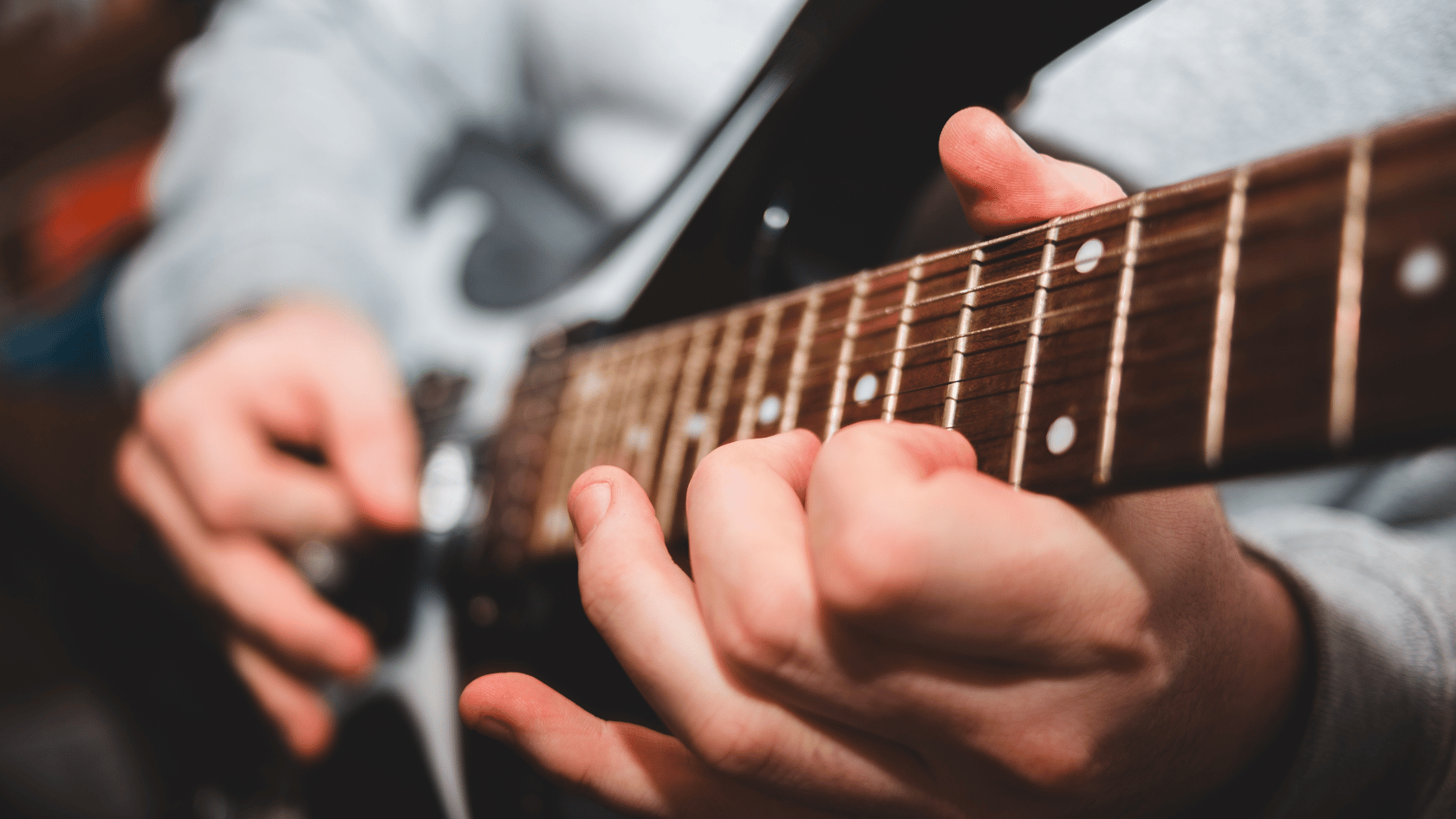
I still cringe recalling early teen me hunched over my cheap Stratocaster for 6 hours straight during summer break one year. Obsessing over nailing riffs until my fretting hand radiated molten pain at 3 AM.
Of course, I powered through for weeks pleading ignorance whenever family asked why I kept massaging my left wrist. Some male bravado about hiding injuries plus the sheer passion to master arpeggios and tapping licks.
Eventually, I woke up one day unable to form a fist or play basic open chords without sharp stabs. Lesson learned about moderation from that humbling orthopedic visit for tendonitis treatment!
In hindsight, my mindless overuse back then clearly risked more lasting issues.
Guitar Playing Takes Immense Hand Toughness
Before examining hard stats, it helps to understand why guitarists’ hands succumb to damage more easily than those in less hazardous professions.
We subject our mitts to intense dexterity demands most folks will never experience. Fretting notes/chords requires supporting string tension up to 40-50 lbs while fingertips develop callouses. We twist wrists awkwardly for long stretches sustaining notes that make many computer users shriek.
Jazz legend Pat Matheny once equated the physicality of guitar playing to “weightlifting using only our hands”. Concert classical players often rest their hands fully half the time to cope!
Now add repetition counted in thousands of chord transitions and string bends daily. Plus gusto needed plucking hard rounds on acoustic for volume. That’s immense wear even before shredders chase speed with hyper-efficient alternate picking.
Damaged Goods: Assessing Research on Guitarist Hand Injuries
To find robust data estimating guitarist hand troubles, I hunted down several quality scientific research papers.
Most focused on specific narrow diagnoses but a study published in Medical Problems of Performing Artists caught my attention.
Researchers surveyed 195 subjects across university guitar programs asking about anatomical locations experiencing pain including hands/wrists. Some intriguing statistics I noted:
- 29% reported right hand/wrist pain while playing
- 23% reported left hand/wrist pain
- 15.5 years was the mean age they first noticed symptoms
- 57% claimed pain interferes with daily playing at least “sometimes”
So while wide-ranging data is scarce summarizing global percentages, evidence points to around 30% as a reasonable ballpark for how many guitarists face debilitating hand troubles.
Potentially much worse depending on the genre, like classical or shredders pushing physical limits.
That’s far too many of us indeed – next, let’s cover common causes and solutions.
My Aching Hand: Primary Culprits Behind Guitarist Hand Injuries
If hand problems impact almost a third of guitarists by varying degrees, what triggers this epidemic threatening our livelihood?
Repetitive Stress
Like any activity demanding extensive repetitions, strain naturally develops over time. Fretting hand digits endure micro-trauma constantly contorting to form difficult chord shapes or play rapid passages. Our tissue adapts strengthening these muscles but also inflames at thresholds.
Classical players also train, challenging finger independence, and stretching between positions. So endless repetitions ingrain technique but take a toll.
Poor Ergonomics
Shockingly most guitarists overlook proper hand alignment and posture conducive to endurance. We perch hunched over guitars at couture angles for our fragile wrists. Weight hangs off fretting shoulders, and abnormally straining tendons.
Small adjustments relieving weight distributions and angles do wonders preventing bigger issues down the road. But few commit proper ergonomic discipline without injuries forcing us.
Overuse
Simply we love playing guitar SO much that we often surpass reasonable limits our human tissue can withstand without rest. Guitar media often glorifies practice room fanatics without balance. In youth especially we binge on obsessive wood-shedding for hours ignoring warning signals.
My college professor would tease undergrads about our “freshman shamrock syndrome”: dark green callous badges on left fingertips from marathon dorm jam sessions. We’d laugh while wincing from inflammation for weeks when better pacing would have fixed that.
The point simply being players notoriously overdo repetition early on arrogantly before establishing healthy moderation habits. That compounds chronic complications later.
This trifecta of high physical demands, poor biomechanics, and overuse sets up every guitarist for Hand Trouble with a capital H down the road. But what specific issues then manifest most?
Watch for These Common Hand Ailments Guitar Players Face
While any profession requiring extensive intricate hand motions risks impact injuries, most regular people never experience what persistent guitar playing exposes us to.
Keep watch for these most prevalent upper limb diagnoses that can severely impede our musical abilities without intervention:
Tendonitis
Frequent first warning sign is inflammation and pain in the tendons joining muscle to bone. Often starts at the elbow (tennis or golfer’s elbow) with weakness and soreness spreading down the lower forearms towards the wrist and hands.
Aggravating activities involve repetitive gripping or finger-flexing motions that increasingly hurt until unbearable. Left untreated, it can worsen gradually and spread requiring extensive physical therapy to restore dexterity.

Carpal Tunnel Syndrome
This nerve compression condition generates numbness, tingling, weakness, and general aches concentrated from the wrist down to the palm side of the hand. Typically originates in the forearm with shooting pains down into the palm/thumb area from inflamed tunnels pressing on medial nerves.
Guitarists commonly encounter this from overused flexors/extensors in fretting plus awkward playing angles taxing tunnels. Symptoms get severe often at night disrupting sleep without a brace.
Focal Dystonia
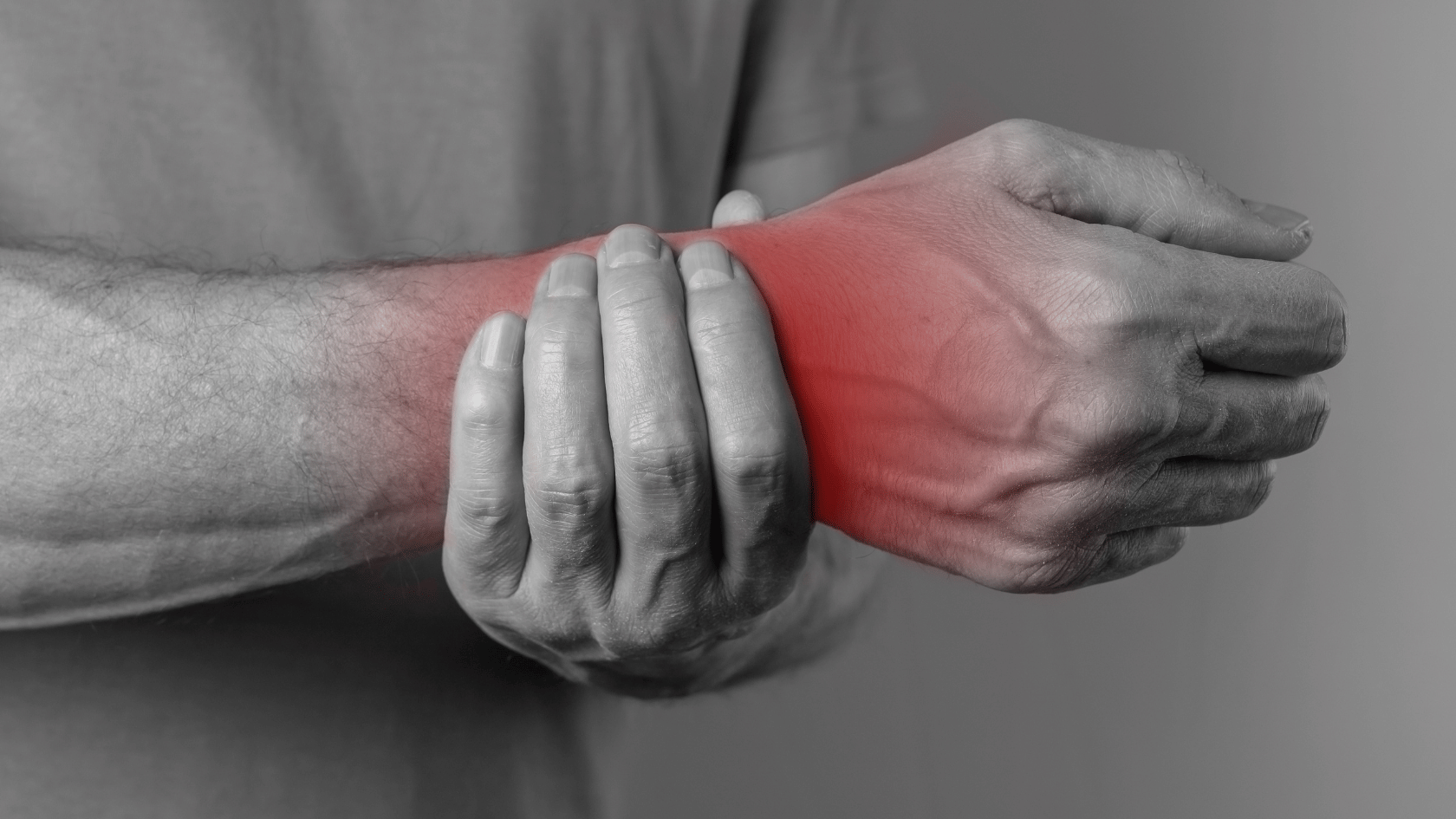
Among the most frustrating conditions causing muscles to trigger unintended movements like uncontrollable finger curling, wrapping, and clamping. Often called “musicians dystonia” out of nowhere these intense ability-limiting spasms sabotage intricate hand motions for playing.
Causes may include overtaxed brain signals, repetition strain, and tendon injury; difficult to pinpoint exactly. But dystonia poses an extreme threat for seasoned guitarists losing control of their bread-and-butter finger independence.
How Hand Injuries Can Impact Your Guitar Life
Beyond acute pain scrambling to finish a hurried set, what real ways can emerging hand troubles plague our overall guitar existence?
Premature Fatigue Diminishing Playing Stamina
An obvious yet easy-to-ignore first sign manifests struggling through pieces or practice routines that were previously no issue. When 30 minutes now leaves swelling joints you’d comfortably play for 2 hours without blinking by comparison a decade ago – pay attention!
Sabotaged Abilities
As serious inflammation and dysfunction take hold, what distinguishes guitarists ultimately erodes. Cramped fingers struggle cleanly fretting notes start buzzing or muting entirely. Alternate picking robs speed and control losing rhythmic authority. Chops fail to execute key signature licks defining your sound.
Left unchecked, eventually the pain does not go away, even with treatment.
I didn’t pay attention soon enough, playing through the pain. Tendons in my elbow became irreparably damaged.
The constant swelling led to permanent nerve damage. In the end, I succumbed to surgery. Today I can’t play guitar for more than a few minutes using the lightest gauge strings tuned down a full step.
When managing injuries is delayed too long, full faculties may never rebound the same again.
How to Tell If It’s Time to Be Concerned
Not all periodic hand soreness episodes escalate immediately to hazardous dilemmas though. As a preventative roadmap before that…
Decreased Immunity From Minor Pains
The first signs often manifest as losing the ability to absorb lighter inflammation episodes and bounce back fully. You’d once played ecstatic 5-hour jams with pals before.
Now the same session leaves throbbing hands twice as swollen taking days off recovering instead of waking fresh ready to go practice more.
Resilience fades where previously you shook off nuisance aches. That demands adjusting habits supporting compromised durability.
Persistent Symptoms Alter Technique
Also, observe if when shifting habits to compensate for weakness limitations begin to appear. Lowering action, avoiding barre chords. Down-tuning alleviates left-hand strain, reaching string angles. Two-finger power chords replace heavier major/minor voicings tiring easily.
Modifying approach is smart proactively, but constantly working around frailty hinders progression. Better determine the critical break point beyond familiarity before chronic injury digs in deeper.
When Hand Problems Become an Inhibiting Disorder
Like sunshine slowly fading every evening sooner each night through winter months, guitarists must determine when nagging issues transition past benign into Inhibiting Disorder Range.
What was once contained shoulder stiffness now radiates numbness interfering with thumb-and-index precision. Annoying knuckle swelling today sabotages properly aligned form, essential for achieving clean intonation.
Little strains quietly compound into dimensions reducing abilities until too late reversing entirely. Don’t permit gradual decline to blindside your talents accelerated by tolerating “minor inconveniences” too casually!
Stay vigilant tracking symptoms correlated to playing time metrics. Does normally comfortable 1-hour lead practice now reliably agitate joints for days? Those that never previously hindered performance?
Your resilient limits shrinking from such observations inform just how close full dysfunction looms. Respect those capacities earnestly as barometers that demand urgent injury prevention training.
How to Prevent Guitarist Hand Problems
Implementing various best practices cuts guitarist injury risk greatly, including:
Always Warmup Hands Thoroughly Pre-Practice
Just 5-10 minutes of preparing hands prevent overuse trauma down the road. Blood circulation activates tissue tolerating strains common playing.
Correct Posture Defusing Tension
Balancing weight offloading pressure from joints takes discipline. But bracing the lower spine better allows shoulders to stabilize elbows properly aligned – rather than hunching.
Fully utilize a strap to keep the neck straight. Bring the music stand to the top of the fretboard negating arduous head-to-hands distance. Keep right arm relaxed near torso enabling free elbow movement sans shoulder bunching.
Explore classical footstools and custom neck angles relieving excess finger strain behind higher string actions. Every small tweak optimizing skeletal symmetry reduces the effort.
Refine Economical Motion Into Technique
Practice smarter, not harder. Use the least force fretting needed, not death grips white-knuckling past potential discomfort. Funnel pick attack angles efficiently without wasted elbow flair.
Take More Breaks!
Seriously, often simply pacing heavier regimens with reasonable rest intervals solves surprising hand strains accumulating.
How to Treat Guitarist Hand Injuries
If caught early, many cases can be resolved with conservative treatment:
Ice After Playing
Basic inflammation protocol remains icing affected areas down post-practice sessions when able. Reduce swelling accelerating natural healing response rather than allowing runaway escalation which can tear down tissue further.
Attach ice packs for 10-15 minutes after playing using towel barriers protecting the skin. Especially target tender trigger points revealing fresh strain.
Consistent cryotherapy aids allegedly “minor twinges” avoiding insidious effects accumulating tomorrow. Don’t ignore what ice treats best today before catastrophic injuries manifest suddenly tomorrow!
Use Post-Play Stretches
Perform tendon gliding and nerve flossing activities stretching recently worked limbs. Hydrates movement pathways strained abbreviated holding static guitar positions. Should incorporate wrist flexion/extension, finger spreads, and elbow curls.
Think physical therapy for kinesthetic health without weights or machines. Counter-act where fretting and picking motions fall limited all set. Prepares hands optimally absorbing the next guitar stresses thrashing about.
Massage Frequently
Knead knotted muscles and cramped knuckles. Generate blood flow areas otherwise choked when oxygenating recovery needs happen most. Flush toxic compounds improving overall flexibility and tone.
While an hour of deep tissue appointment works magic, use basic self-massage like hand reflexology tennis balls. Roll out decades of chord formations and scale runs knotting up inside. Who doesn’t crave a masseuse’s healing hands?
Try Supportive Braces
Lightweight braces take pressure off overtaxed wrist joints and tunnels. Reduces strain on susceptible tendons when playing. Help retrain posture keeping nerves sliding freely.
Effective conservative aid allows guitars a reprieve without abandoning passion fully. Soothe carpal and cubital tunnels pinned by anatomy and inflammation. Stabilize hypermobile joints in neutral positions.
Amazon sells affordable braces worth trying before expensive custom versions. Just ensure properly sized and recommended wearing instructions are followed. Improper use risks worsening injuries!
When home treatments hit limits, however, don’t delay consulting professionals…
See Hand Therapy Experts
Specialized occupational and physical therapists craft personalized care regimens including:
- Pain-free range of motion restoration
- Joint manipulation loosening adhesions
- Assistive devices adding support
- Therapeutic modalities like ultrasound or stim
- Customized strengthening programs
They pinpoint dysfunction through hands-on assessment and movement analysis. Tailor rehab protocols targeting playing efficiency deficits versus guessing. Modern hand therapists learn musician-specific adaptations addressing our unique demands.

Common FAQs Regarding Guitarist Hand Injuries
Q: What percentage of professional guitarists suffer hand injuries?
Statistics focus on students and teachers estimate around 30% face limitations. We can speculate higher percentages likely dealing with pros based on higher exposures. Especially for veterans traversing decades practicing and performing full-time.
Q: At what age do guitar player hands start to hurt?
Research shows average first onset happens around age 15.5 years old. However, mild symptoms often get overlooked well into 30s and 40s before chronic dysfunction creeps up.
Generally older guitarists must monitor swelling, numbness, and shooting nerve pains more closely. We often blow off “normal usage soreness” which can silently multiply into biting tendon tears and bone spurs if not respected. Don’t ignore the symptoms!
Q: Should I stop playing guitar if my hands hurt?
Not necessarily fully – but taking proper rest breaks is crucial. Play through minor muscle fatigue but cease immediately when sharp or prolonged hand pains signal tissue damage risk.
If the pain worsens, especially if it does not subside after playing, stop and seek medical treatment. It’s better to learn to adjust your playing rather than risk permanent injury.
Key Takeaways on Guitarist Hand Injuries
While still under-addressed among guitar communities, research estimates 1 in 3 players experience some hand pain and injury interference. Assessment challenges complicate capturing true statistics.
We do know repetitive fretting/picking motions coupled with flawed playing ergonomics and overuse make musicians high risk for issues like tendonitis, carpal tunnel, and dystonia. Usually starts subtly then grows treatment delays continue playing through escalating damage.
Thankfully early conservative care like icing, stretching, and braces cuts down advanced cases. But don’t ignore subtle early warning signs degrading hand endurance and speed over time. Catching complications early allows for preserving abilities favoring longevity.
Prioritize hands as precious tools of the trade. Master preventative care minimizing anatomical and overuse factors inevitability grinding guitarists down through aging. Respect slight declines as red alerts preserving versatile play hopefully decades more ahead!
Stay healthy out there shredding wizards!